Good questions.
Better concrete decisions.
From the first quote to the last inspection. Practical guides built around the problems people actually ask about.
100 researched guides
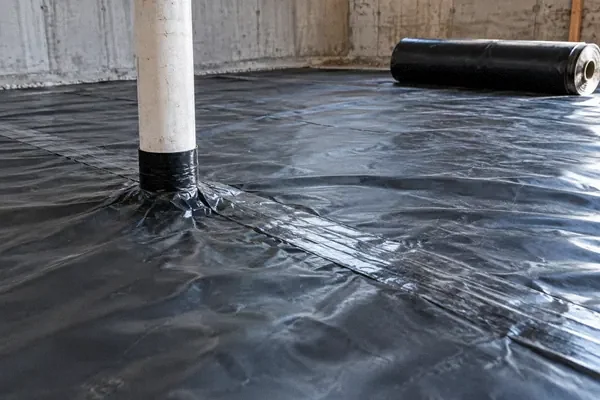
Where Should the Vapor Barrier Go Under a Concrete Slab?
Plan an under-slab vapor retarder around the floor's intended use, correct layer sequence, sealed details, placement protection, and finishing coordination.
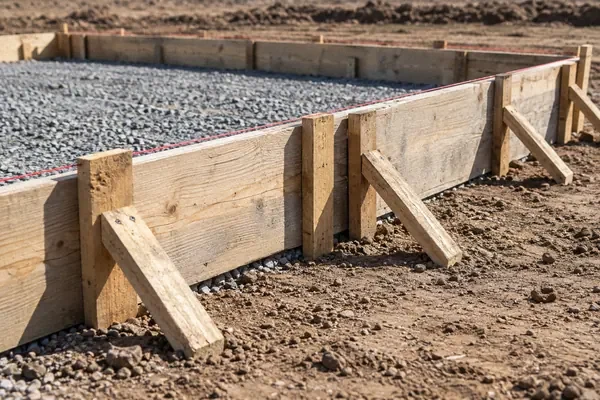
Concrete Forms and Stakes: Keep the Pour at the Intended Line and Grade
Plan concrete forms around finished dimensions, elevation, straightness, bracing, access, and removal so the pour preserves the intended slab geometry.
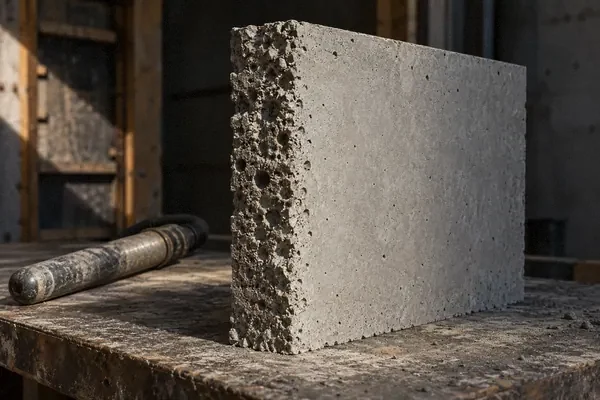
How to Consolidate Concrete Around Forms Without Overworking It
Plan concrete consolidation around formed edges using mixture suitability, reinforcement clearance, controlled placement, and an appropriate finishing sequence.
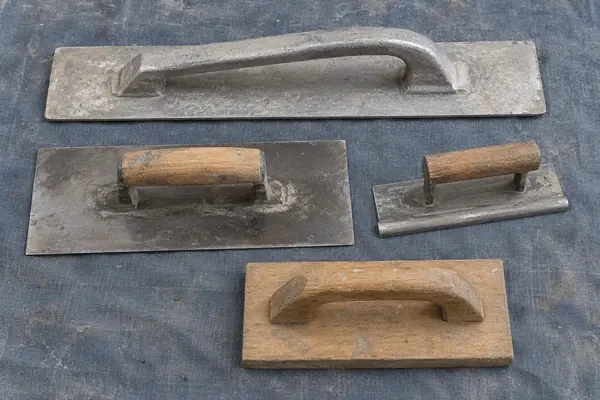
Concrete Finishing Tools for a First Slab: What Each One Actually Does
Build a first-slab tool plan by separating screeding, floating, edging, jointing, texturing, and curing tasks, then matching equipment to reach and crew roles.
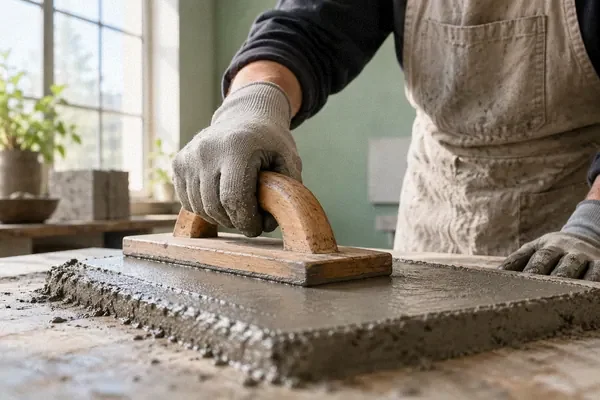
Magnesium, Wood, and Resin Floats: Choosing the Right Finishing Tool
Compare magnesium, wood, and resin floats by their intended operation, handling, mixture response, and surface condition instead of treating one as universal.
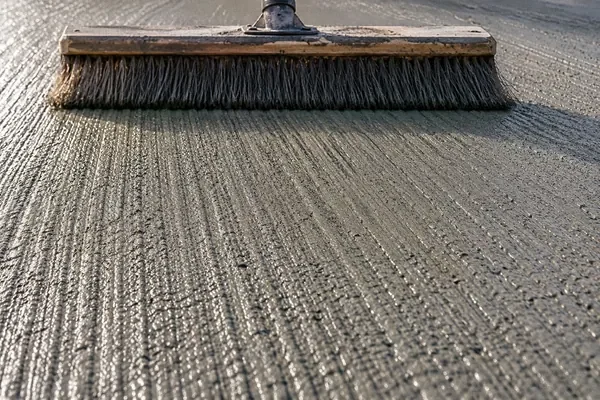
How to Specify a Light Broom Finish Before the Concrete Arrives
Specify a light broom finish with a representative sample, texture direction, edge details, intended use, and a compatible finishing and curing plan.
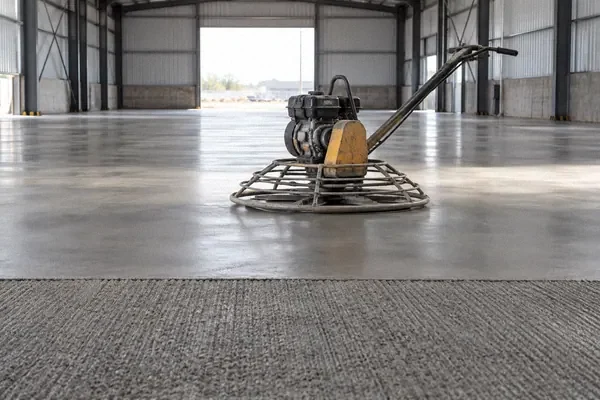
Does a Broom-Finished Slab Need a Power Trowel?
Decide whether a power trowel belongs on a broom-finished slab by separating pan floating from hard troweling and checking mixture, access, and crew capacity.
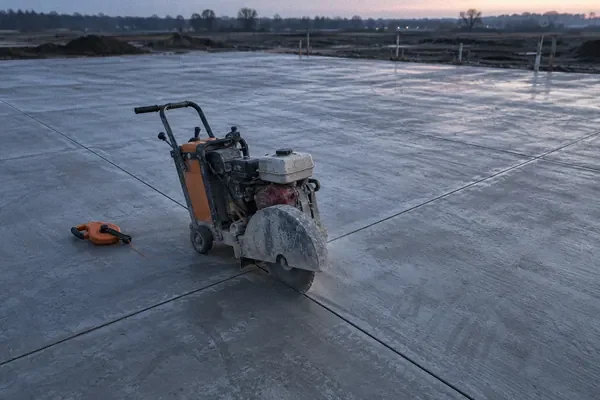
When Should New Concrete Be Saw-Cut? Use a Window, Not a Calendar Rule
Plan new concrete saw cuts around the joint layout, required depth, saw system, weather, and actual cutting window instead of a universal next-day rule.
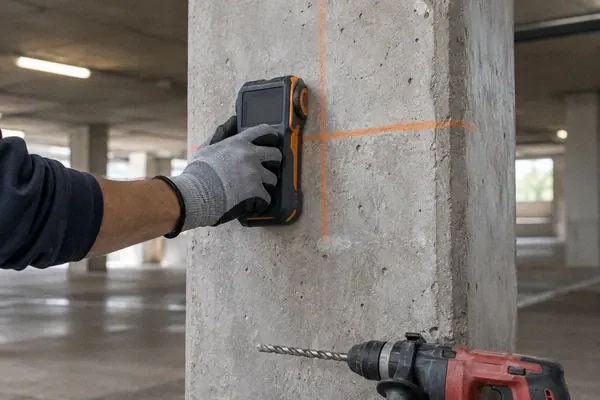
Hit Metal While Drilling Concrete? Stop and Identify What Is in the Slab
Respond to metal encountered while drilling concrete by stopping, identifying the slab and embedded objects, and resolving the attachment design before continuing.
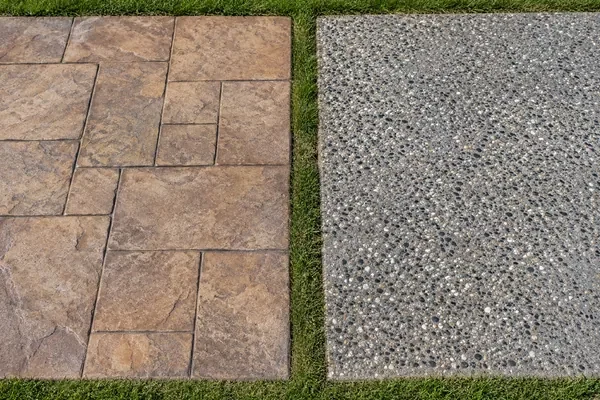
Stamped vs. Exposed Aggregate Patios: Compare the Finished Surface
Compare stamped and exposed-aggregate patios through real samples, texture, color, joints, maintenance expectations, and the way the finished space will be used.
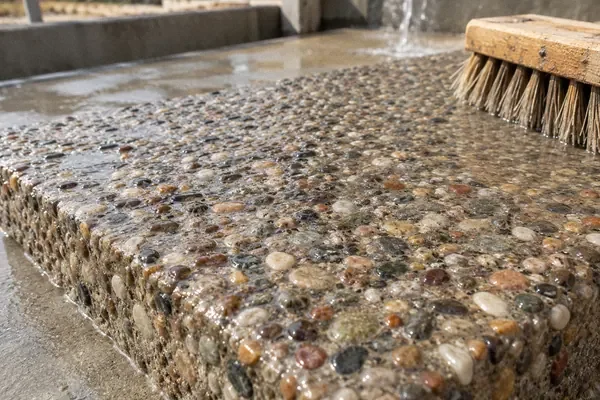
How Exposed Aggregate Concrete Is Made and Why Sample Panels Matter
Understand exposed-aggregate concrete through aggregate selection, controlled surface treatment, representative samples, wash timing, and separate vertical details.
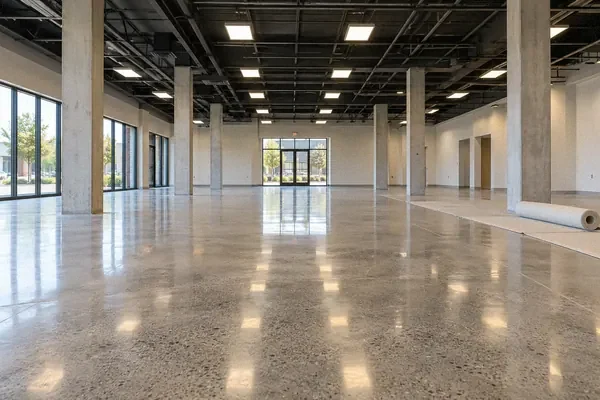
Planning a New Slab for Polished Concrete: Decide Before Pour Day
Plan a new slab for polishing by defining aggregate exposure and sheen, coordinating placement and polishing teams, and approving a representative floor mockup.