Good questions.
Better concrete decisions.
From the first quote to the last inspection. Practical guides built around the problems people actually ask about.
100 researched guides
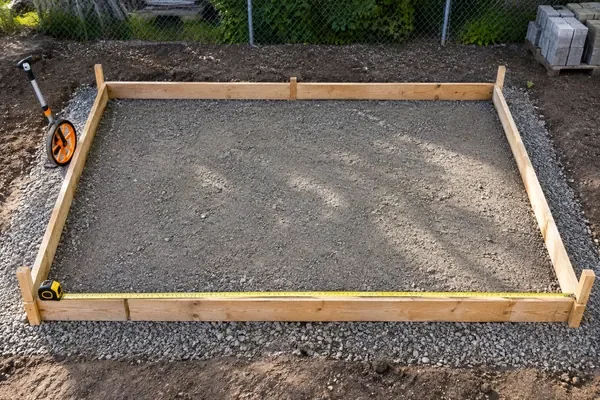
How Much Concrete Should You Order Above the Calculated Volume?
Calculate concrete from measured forms, account for grade variation and losses, and choose an explicit order allowance without relying on blind rounding.
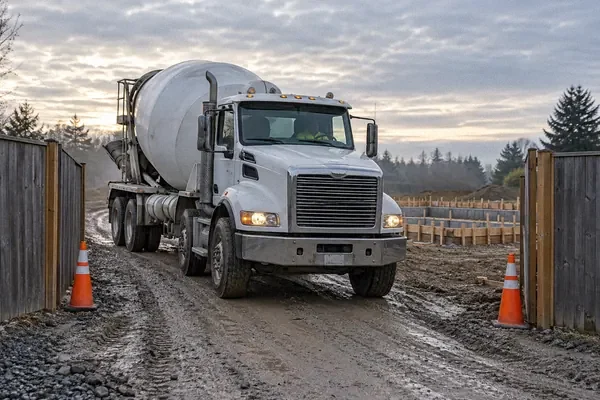
Ordering Ready Mix for the First Time: What to Tell the Plant
Prepare a first ready-mix order with the application, mixture requirements, quantity, access, crew capacity, delivery terms, and a clear site contact.
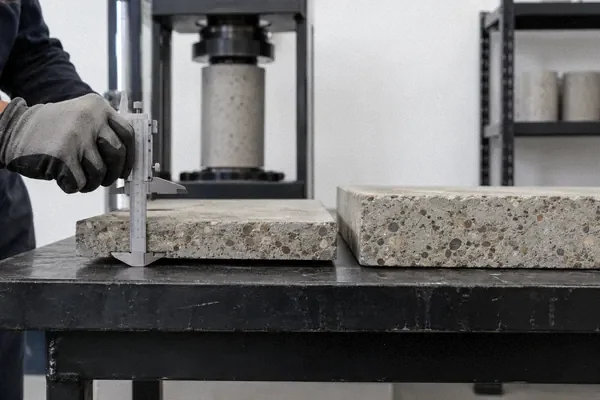
3000 vs. 4000 PSI Concrete: Why Slab Thickness Still Matters
Compare concrete strength and slab thickness separately, then review loads, support, exposure, joints, and curing before paying for a driveway upgrade.

Does High Slump Always Mean Weak Concrete?
Understand why high slump does not automatically mean weak concrete, and compare specified consistency, water limits, admixtures, and placement needs.
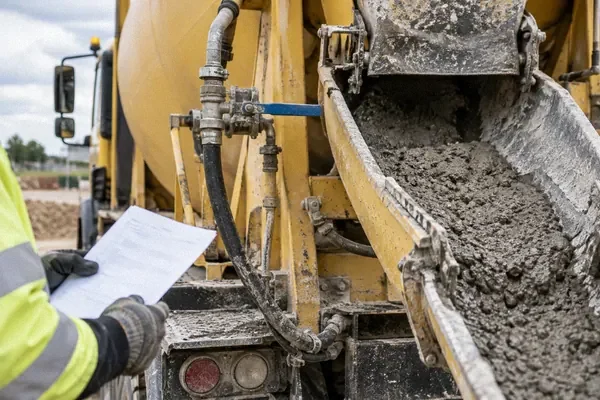
Can the Driver Add Water to Concrete on Site?
Learn when jobsite water addition can be permitted, what mixture limits apply, and how to authorize, measure, and document an adjustment to a delivered load.

Need More Time to Place Concrete? Understand Set Retarders First
Plan a realistic concrete placing window, distinguish set-control admixtures from surface retarders, and avoid unsupported changes to a bagged mixture.

Concrete Accelerators: Faster Setting Does Not Mean Freeze Protection
Understand what concrete accelerators can change, why they do not replace freeze protection, and which mixture, monitoring, and curing questions to resolve.

When Does an Exterior Slab Need Air-Entrained Concrete?
Choose air entrainment from actual exposure requirements, then coordinate the concrete mixture, verification process, and intended exterior surface finish.

Can Fiber in Concrete Replace Rebar? Ask Which Fiber
Evaluate a fiber-for-rebar proposal by identifying the exact fiber, dosage, function, design basis, remaining reinforcement details, and installation records.
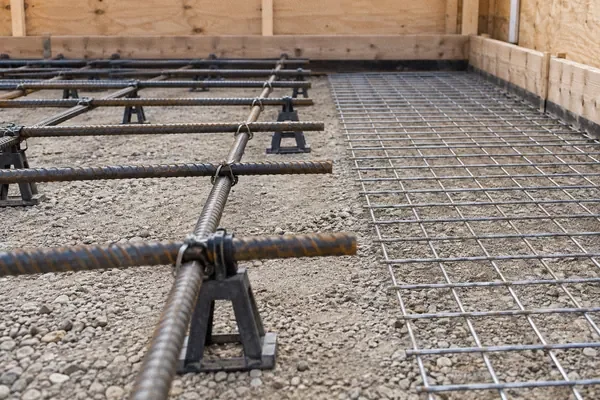
Wire Mesh vs. Rebar in a Slab: Placement Matters as Much as the Name
Compare wire mesh and rebar through the specified arrangement, design purpose, support method, and placement checks instead of choosing by material name.
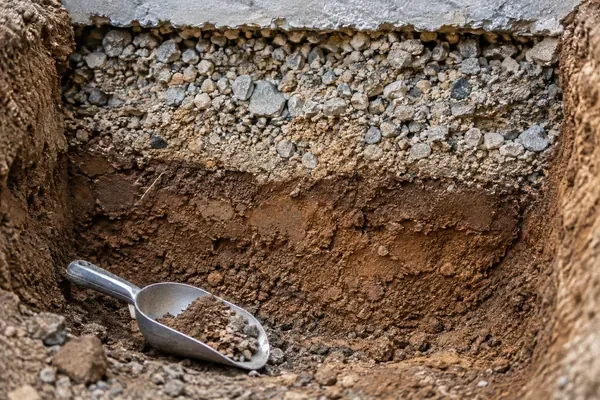
Gravel, Sand, or Existing Soil Under Concrete? Start With the Site
Choose the support beneath a concrete slab from actual soil, drainage, loading, and preparation needs instead of copying a universal gravel or sand detail.
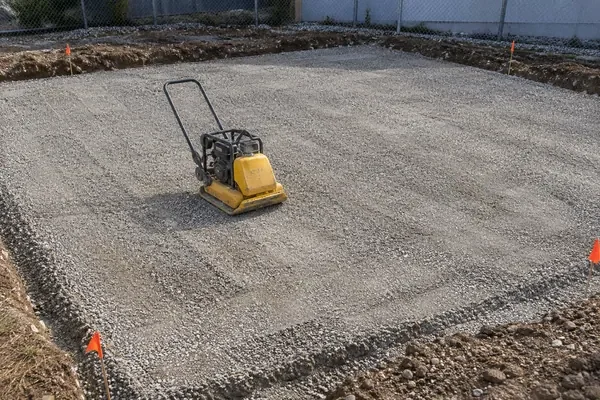
How Do You Know the Base Is Compacted Enough for Concrete?
Evaluate concrete base compaction through material, moisture, lift thickness, equipment, and verification rather than an arbitrary number of machine passes.