Good questions.
Better concrete decisions.
From the first quote to the last inspection. Practical guides built around the problems people actually ask about.
100 researched guides
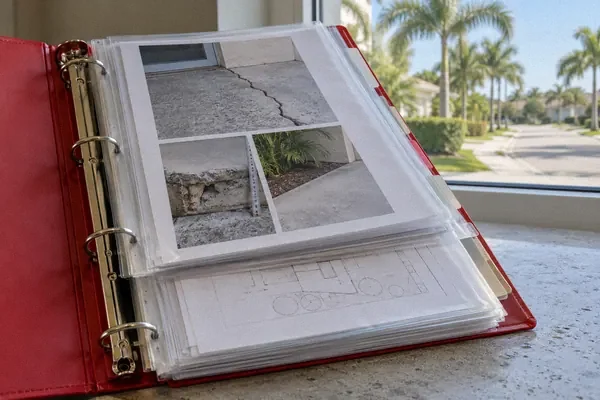
Florida Concrete Complaints: Preparing a DBPR Evidence Package
Prepare a Florida concrete contractor complaint with the right business identity, permit history, payment evidence and factual description of unresolved work.
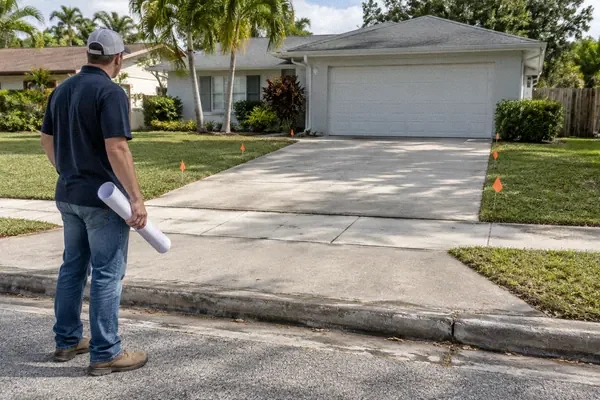
Does a New Concrete Driveway Need a Permit? Start With the Jurisdiction
Check concrete driveway permits by parcel jurisdiction, project scope and work near the street, using Orlando as a local example rather than a Florida-wide rule.
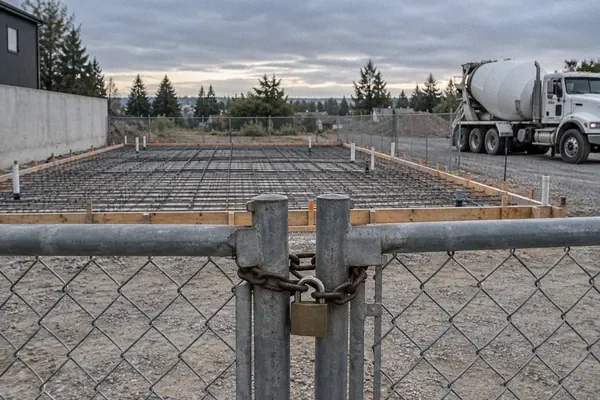
Pre-Pour Inspection Delayed: What to Do Before the Truck Arrives
Plan for a delayed concrete pre-pour inspection by identifying required hold points, confirming approval authority and coordinating the delivery decision early.
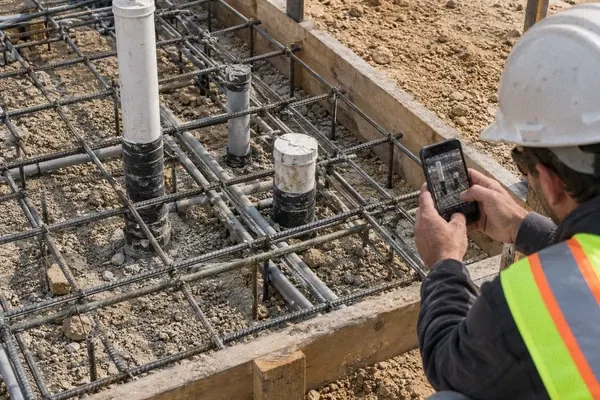
What to Photograph Before Concrete Covers the Work
Create a useful pre-pour photo record of concrete work with marked locations, current plans and inspection status, while recognizing what photographs cannot prove.

Concrete Delivery Tickets: Which Records Should an Owner Keep?
Keep concrete delivery records connected to placement locations and specified materials, and understand why a load ticket is not a strength certificate for the slab.

Concrete Strength Tests: Cylinders, Cores and What the Results Mean
Understand concrete cylinder and core reports by specimen type, curing, test age and project criteria before interpreting a strength number as acceptance or failure.
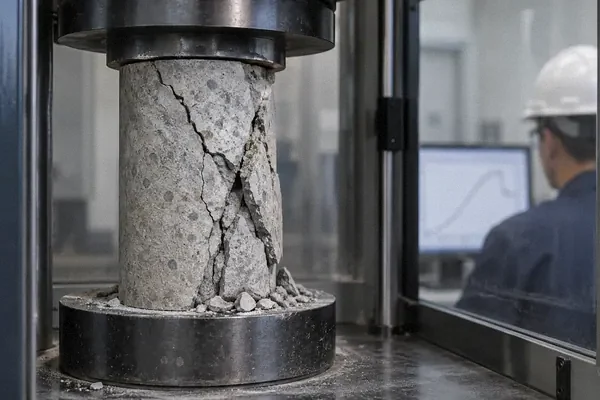
A Low Concrete Strength Result Does Not Tell the Whole Story
Respond to a low concrete strength result by checking sample identity, test purpose and project criteria, then let the responsible professionals plan the next evaluation.

Can Photos Prove a Concrete Slab Is Structurally Sound?
Use concrete photographs to document observations and plan an assessment, without treating surface appearance as proof of hidden reinforcement or structural adequacy.
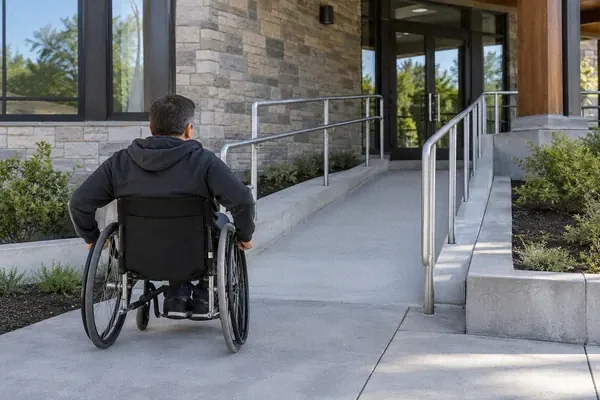
Planning a Concrete Wheelchair Ramp: Questions Beyond the Slope
Plan a concrete wheelchair ramp around the complete route, door use, landings, drainage and individual needs, then verify the standards that apply to the property.
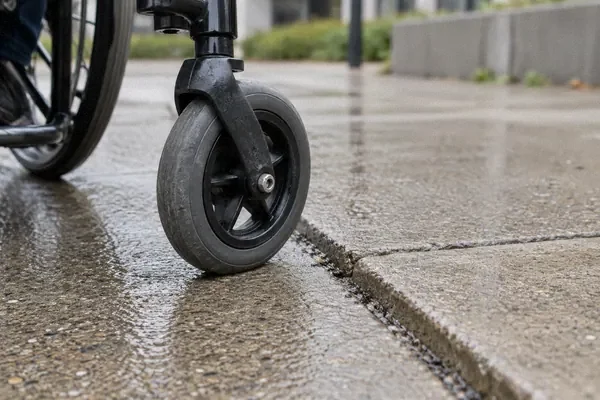
Accessible Concrete Walkways: Surface Changes, Joints and Slip Resistance
Review accessible concrete walkways as complete routes, including surface transitions, joints, drainage and maintenance, with ADA criteria used only where applicable.
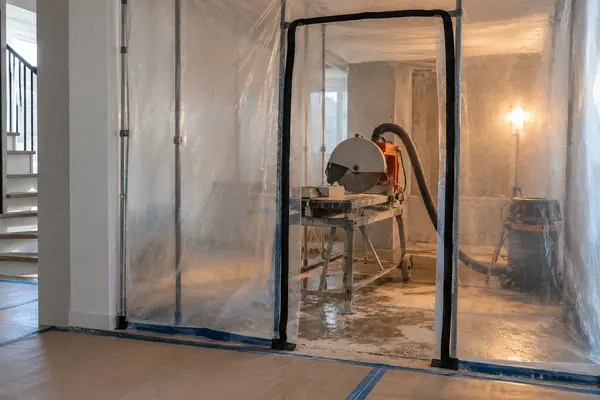
Concrete Cutting Dust in the House: Questions for the Contractor
Address concrete cutting dust indoors by requesting task controls, limiting further spread and obtaining a qualified cleanup assessment instead of guessing exposure.
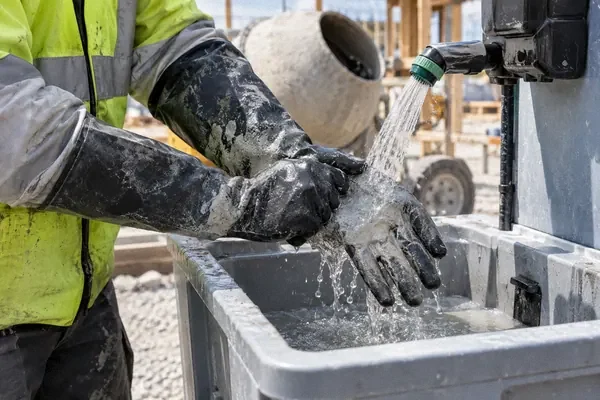
Wet Concrete Can Burn Skin Before It Hurts
Recognize wet concrete as a chemical burn hazard, plan protection before placement and use prompt rinsing and professional guidance instead of online home remedies.