Good questions.
Better concrete decisions.
From the first quote to the last inspection. Practical guides built around the problems people actually ask about.
100 researched guides
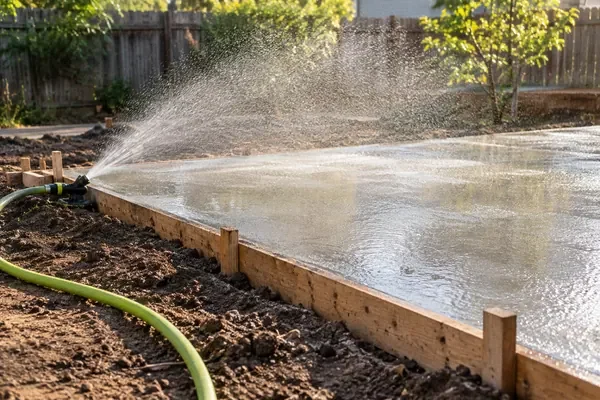
Should You Keep New Concrete Wet or Water It Every Few Hours?
Understand the difference between continuous moist curing and occasional watering, and get the right handoff questions for caring for a newly poured concrete slab.
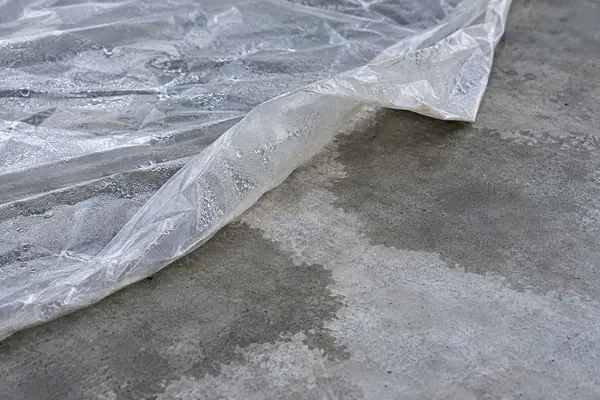
Can Plastic Sheeting Leave Marks on New Concrete?
Learn why plastic curing sheets can leave mottled concrete, how to document the pattern, and what to ask before attempting to clean or recolor the surface.
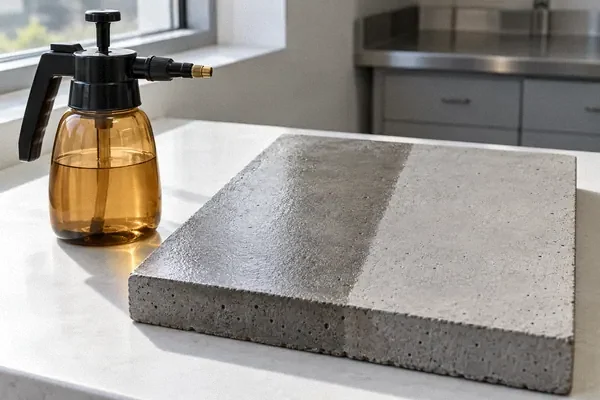
Will Curing Compound Interfere With a Future Coating?
Find out how curing compounds can affect a later coating or overlay, which product records to request, and why preparation must match the complete finish system.
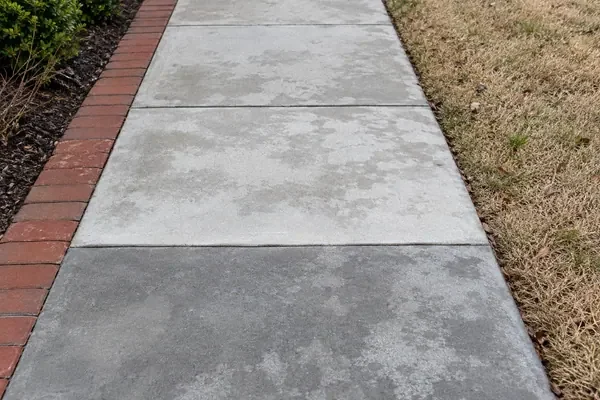
New Concrete Looks Blotchy: When to Observe and What to Check
Learn how to evaluate blotchy new concrete without rushing into treatment, using comparable photographs, product history and a clear review of color versus damage.
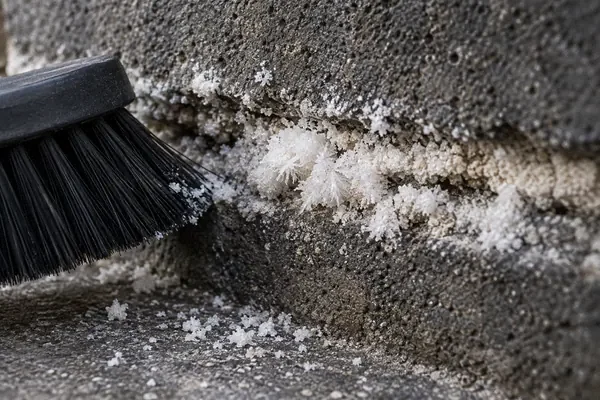
White Powder on Concrete: How to Investigate Possible Efflorescence
Investigate white powder on concrete by documenting the deposit, tracing moisture and checking surface treatments before choosing a compatible cleaning method.
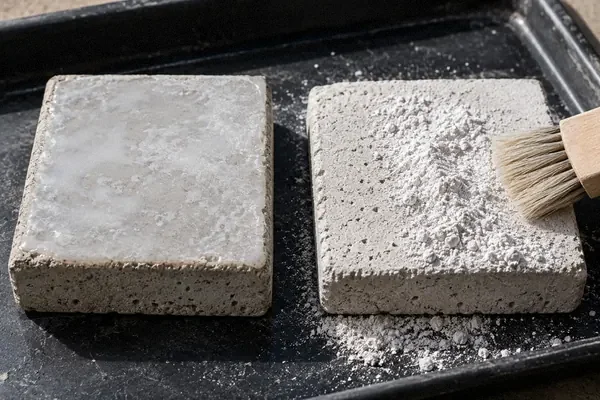
White Concrete or White Sealer? Why the Difference Matters
Learn how white mineral deposits differ from cloudy concrete sealer, which history to collect, and why testing the wrong treatment can complicate the repair.
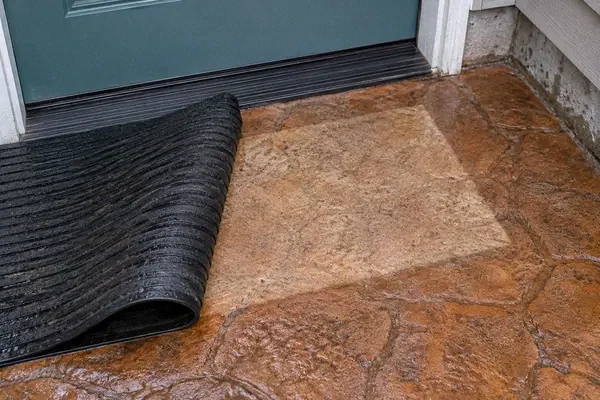
White Marks Under Patio Mats on Stamped Concrete
Investigate white marks left under patio mats on stamped concrete, using coating history and moisture observations before attempting cleaners or another sealer coat.
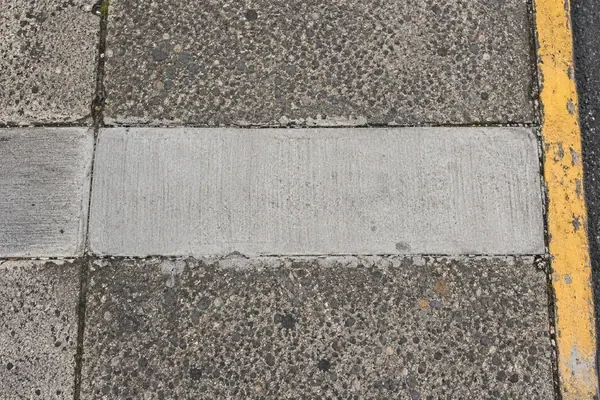
Can Old and New Concrete Be Made the Same Color?
Compare realistic ways to blend old and new concrete, from accepting a visible transition to tested stains or overlays, while accounting for texture and maintenance.
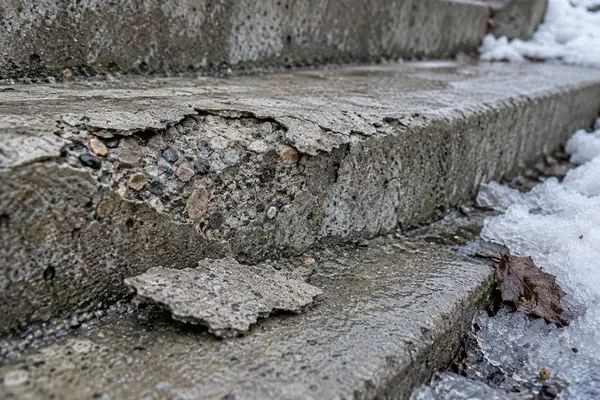
Concrete Is Flaking: How to Investigate Scaling Without Guessing Blame
Investigate flaking concrete with an exposure and construction record, distinguish surface symptoms from causes, and compare repair options without guessing blame.
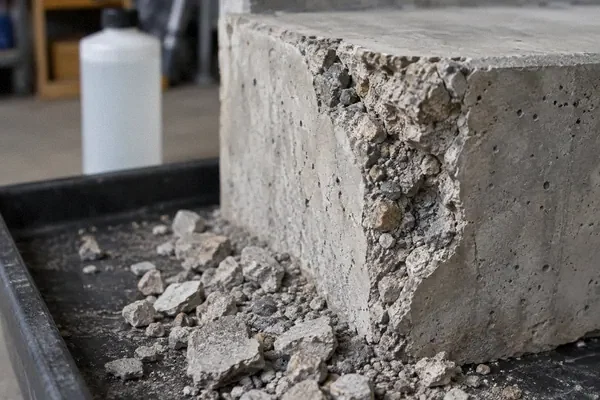
Can Sealer Stop Concrete That Is Already Spalling?
Understand why sealing damaged concrete differs from repairing it, how to assess loose material, and what a realistic plan for slowing deterioration should include.
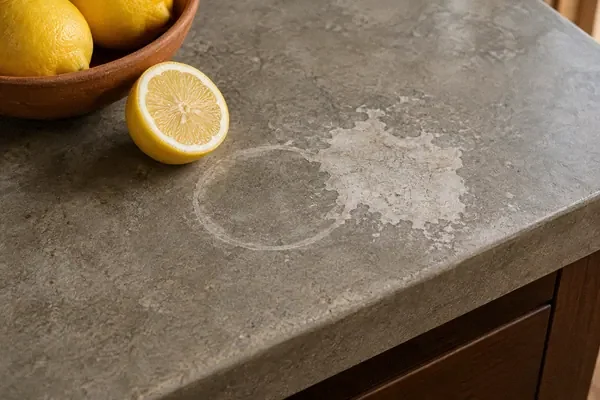
Repairing Concrete Damaged by an Acid Spill
Assess concrete after an acid spill by identifying the product, documenting affected areas and reviewing substrate condition before selecting a patch or resurfacer.
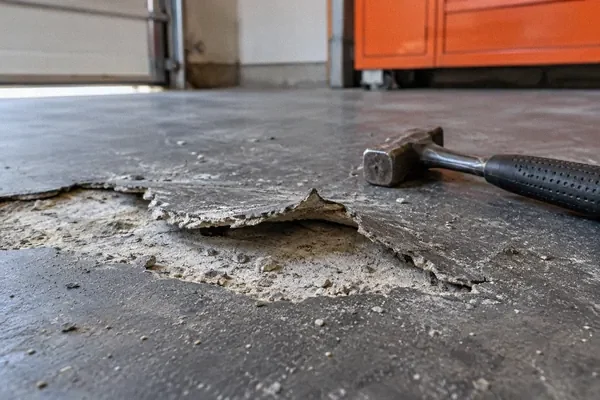
Hollow or Flaking Concrete Found During Epoxy Preparation
Plan epoxy work when grinding reveals hollow or flaking concrete, including damage mapping, sound-substrate checks and a clear change process before coating begins.