Good questions.
Better concrete decisions.
From the first quote to the last inspection. Practical guides built around the problems people actually ask about.
100 researched guides
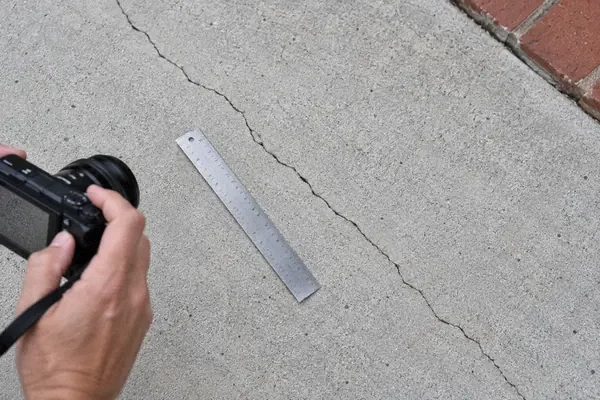
A Crack in New Concrete: What to Record Before Choosing a Repair
Learn what to record when new concrete cracks, how movement and drainage change repair choices, and which questions help a contractor evaluate the problem.
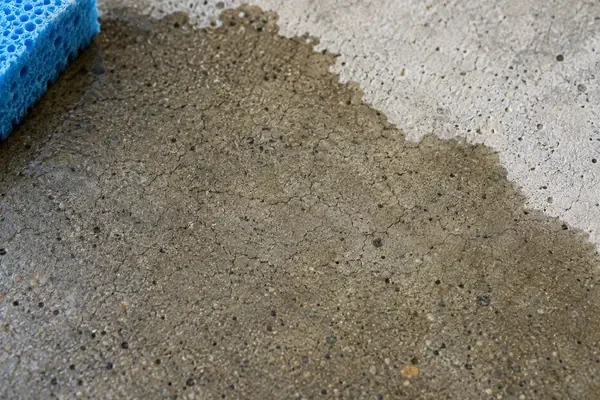
Tiny Cracks That Appear When Concrete Gets Wet
Understand fine concrete cracks that become obvious when wet, what crazing means, and how to separate an appearance concern from damage needing evaluation.
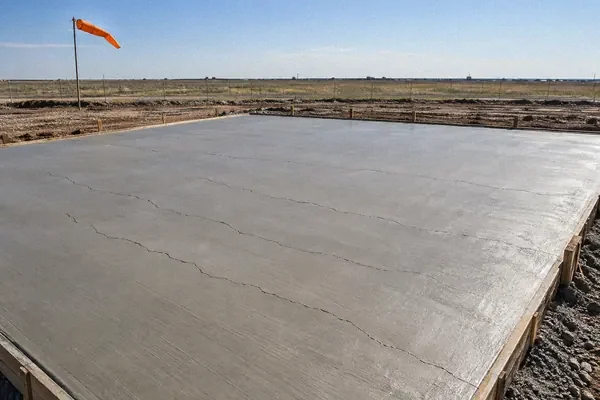
Why Concrete Can Crack Before the First Day Is Over
Learn why cracks can appear before new concrete has hardened, how early moisture loss differs from later shrinkage, and what records clarify an early problem.
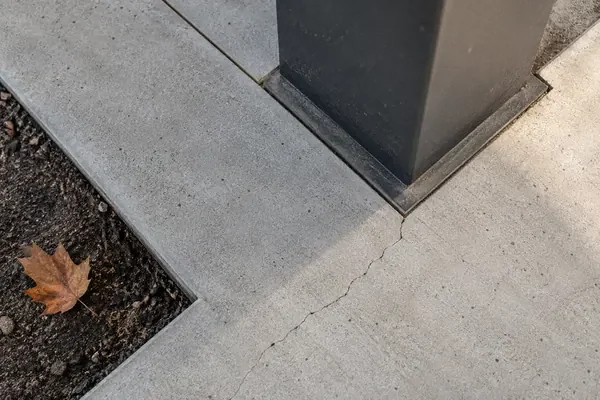
Why Cracks Start at Inside Corners of a Slab
Find out why inside corners deserve attention in concrete crack reviews, what joint layout reveals, and why drilling a crack tip is not a routine repair.
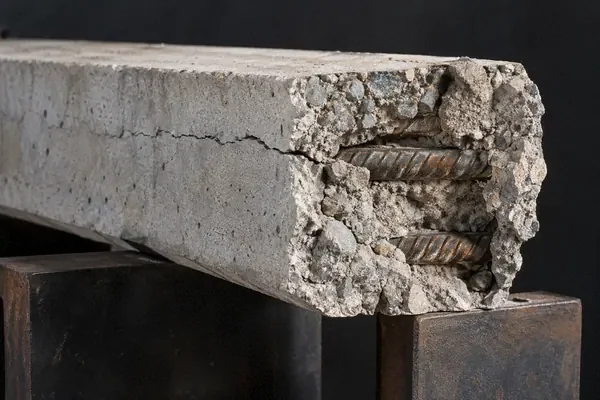
Does Rebar Stop a Driveway From Cracking?
Understand what reinforcement can and cannot do for driveway cracks, and how to compare proposals that also address support, joints, curing and actual loads.
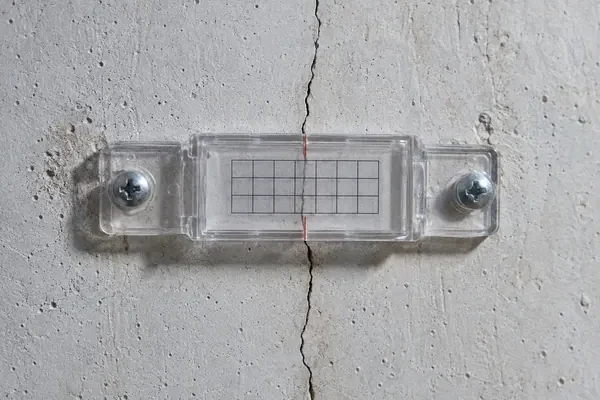
Before Filling a Crack, Find Out Whether It Is Still Moving
Learn how to document whether a concrete crack is changing, why rigid and flexible repairs serve different purposes, and what to ask before filling the opening.
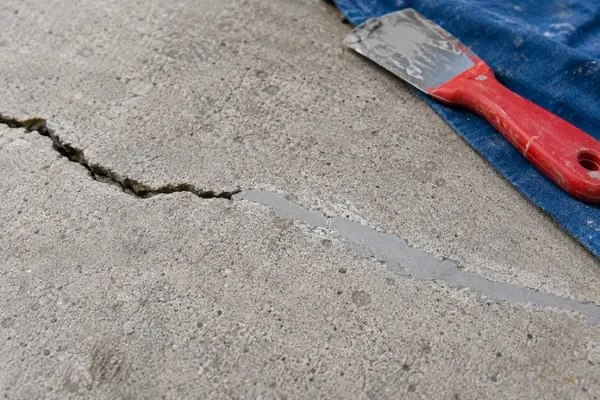
Will Filling a Concrete Crack Make It More Noticeable?
See why concrete crack repairs often remain visible, how color and texture affect the result, and what a useful repair sample should show before full approval.
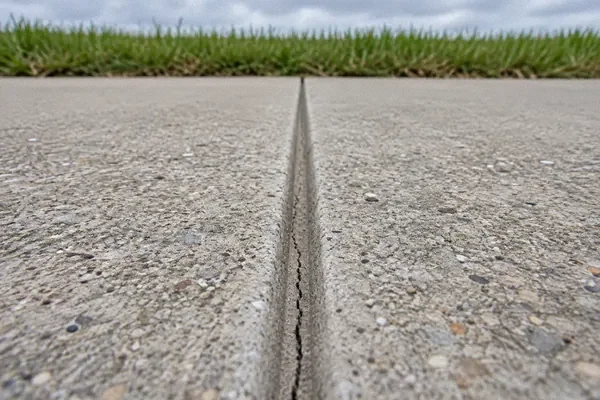
A Crack Inside a Control Joint: What It Does and Does Not Mean
Understand why concrete cracks within a control joint, what offset or widening adds to the concern, and how to decide whether sealing or further review is needed.
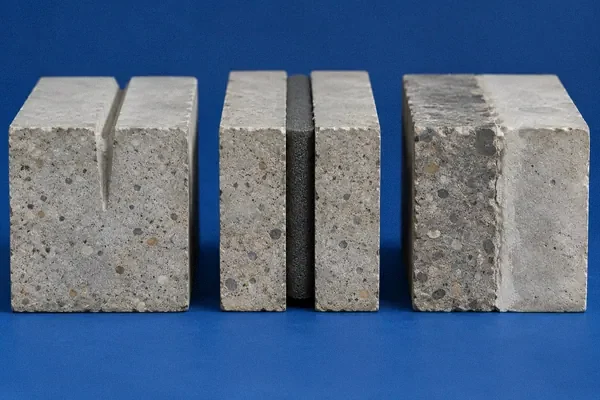
Control, Expansion and Construction Joints: Which One Are You Repairing?
Identify control, isolation and construction joints before repairing concrete, and learn which project records help explain movement, filling and maintenance choices.
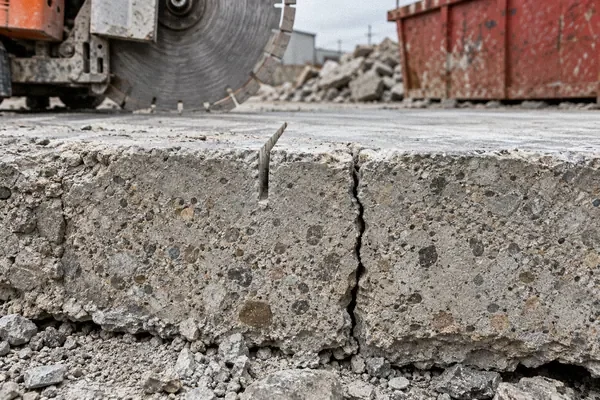
Can a Late or Shallow Saw Cut Still Control Cracking?
Learn how to investigate shallow or late saw cuts on an existing slab, what evidence can establish timing and depth, and why a retrofit cut needs a clear purpose.
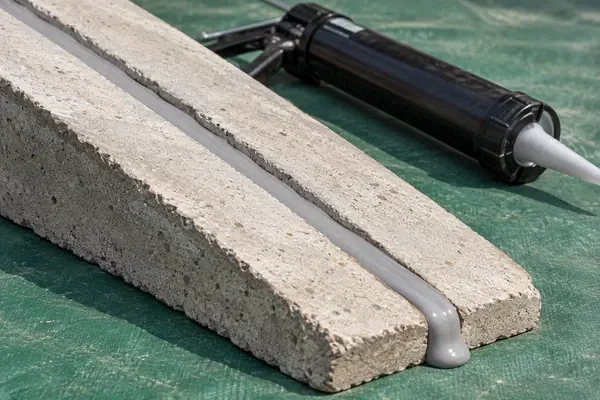
Self-Leveling or Non-Sag Sealant for a Sloped Driveway?
Compare self-leveling and non-sag concrete joint sealants for slopes, vertical edges and irregular gaps, with practical questions about preparation and product limits.
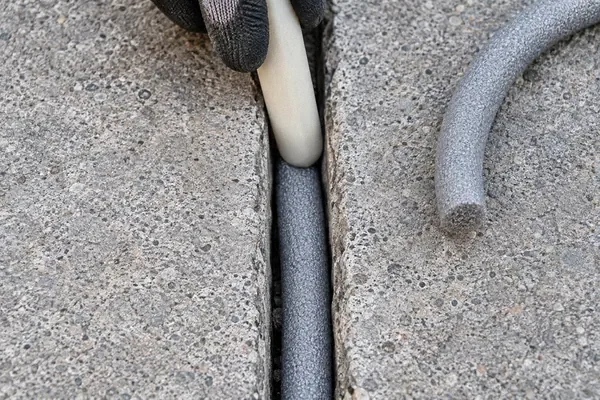
Deep Concrete Joints: Backer Rod Is Not a Repair for Missing Support
Learn why a deep concrete joint may need more than filler, how backer rod controls a sealant detail, and when suspected missing support requires separate evaluation.