- Select aggregate and exposure
- Trial the exact surface system
- Plan wash timing and protection
Reddit discussions identify questions; technical guidance comes from the linked primary sources. This article is not a site inspection or an engineered specification. How we research.
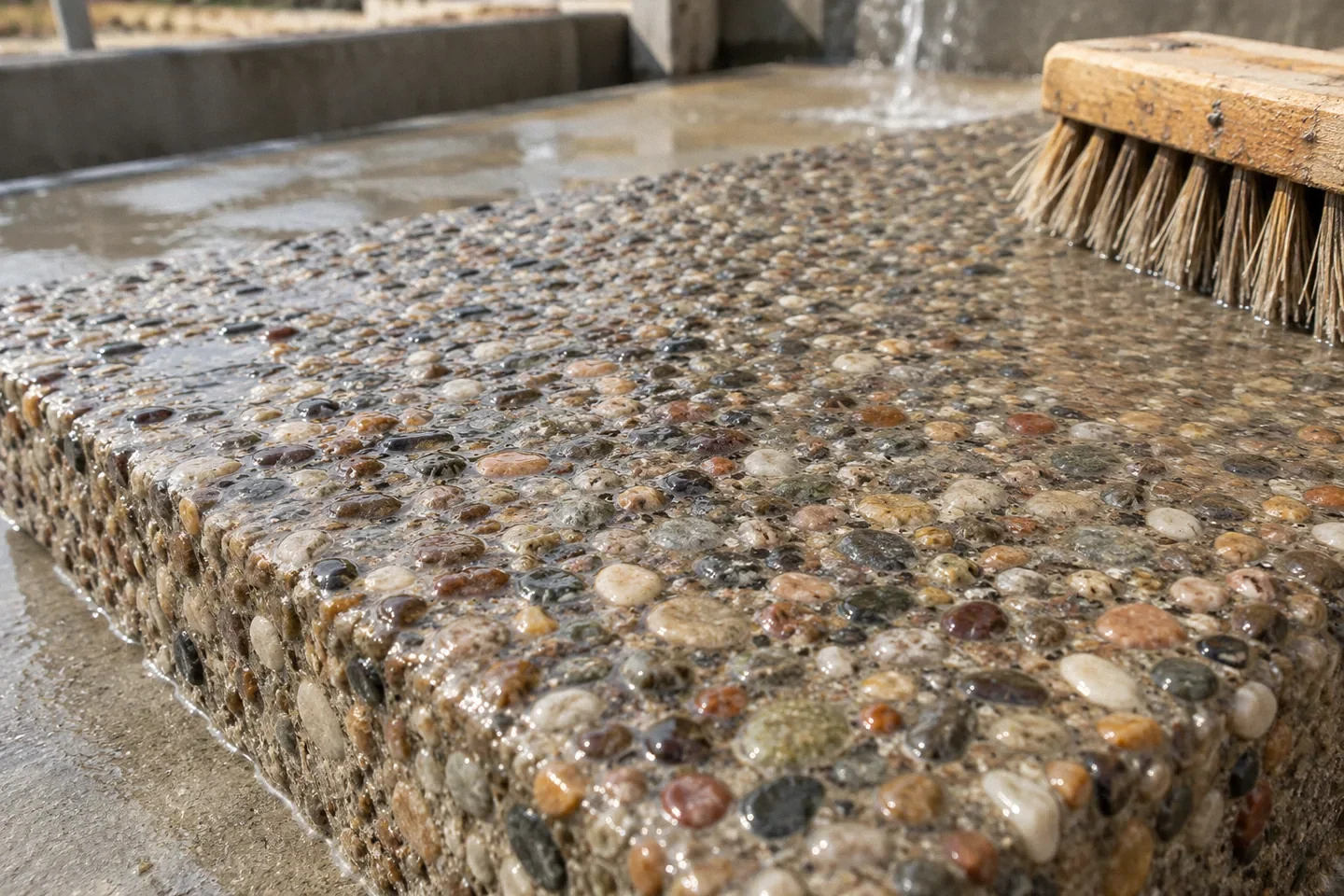
An exposed-aggregate surface can look effortless: concrete goes down, the surface is washed, and attractive stone appears. The finished result actually depends on several coordinated choices made before placement.
A Reddit question about exposed aggregate on vertical faces reveals where the simple mental picture breaks down. A horizontal washing process does not automatically explain how to produce a matching formed step face. Orientation and product application need their own plan.
Choose the aggregate appearance first
Decide what particles you want to see, how much exposure is intended, and how the finish relates to the surrounding concrete. Aggregate size, color, distribution, and the surrounding matrix all affect the visual result.
Do not choose solely from a photograph of another project's surface. The local material and mixture may differ. Ask to see a sample made with the actual proposed ingredients.
If the design includes borders or multiple pours, evaluate the relationship between them. A change in aggregate source or mixture can become visually important even when the overall color description sounds similar.
Understand the controlled surface process
Surface-retarder systems delay the surface mortar so that it can be removed at the appropriate stage while the underlying concrete develops. Sika's LITHOCAST guidance describes this product-specific approach.
Different products and grades can target different results. Do not assume every retarder gives the same exposure or follows the same timing.
The process should be described by the exact product and current instructions. A generic statement such as “we spray something on and wash tomorrow” is too vague for a decorative finish that the owner expects to match a sample.
Make the sample represent the job
Use the proposed mixture, aggregate, forms where relevant, treatment, washing method, and final curing or sealing system. A sample that changes several of those variables is a weaker preview.
Review the surface in its intended finished state. A wet unsealed panel may look different from a dry completed surface. Agree on which condition represents acceptance.
Sika's guidance calls for jobsite samples and evaluation of the final surface. The practical benefit is to reveal appearance and process questions before they affect the whole patio.
A hypothetical step-and-patio design
Suppose an owner wants a fine exposed-aggregate patio with matching step risers. The contractor has a familiar top-surface product and assumes the same application can be adapted to the forms.
The planning review identifies a gap: the product's documented use must cover the actual vertical or form-applied method. The contractor obtains a suitable system or technical guidance and includes a vertical face in the sample.
The sample then shows whether the tread and riser appear compatible and how the corner transition looks. A flat sample alone would not have answered those questions.
This example does not teach an improvised vertical technique. It explains why the vertical detail must be established before production.
Distinguish bulk mixture and surface treatment
A set-retarding admixture in the concrete and a surface retarder applied for exposure are not interchangeable products. Their intended roles differ.
Do not pour a surface product into the mixer or replace a specified surface system with a household recipe. The fact that an ingredient can influence cement behavior does not establish a controlled decorative process.
Sika's patterns-and-textures overview helps separate stamping and surface exposure. Keep the exact method clear when discussing a combined decorative design.
Organize the exposure sequence
| Task | Planning question |
|---|---|
| Material selection | Is the actual aggregate represented in the sample? |
| Application | Who applies the correct product consistently? |
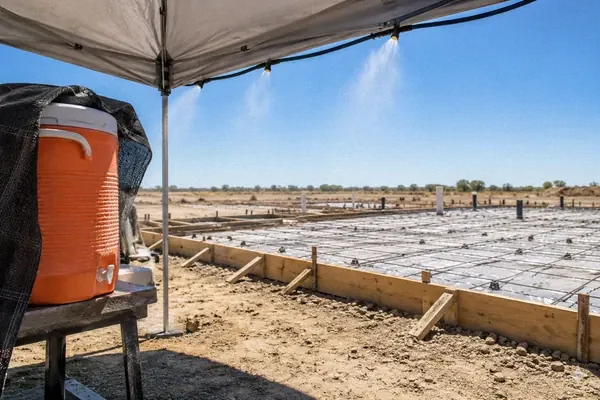
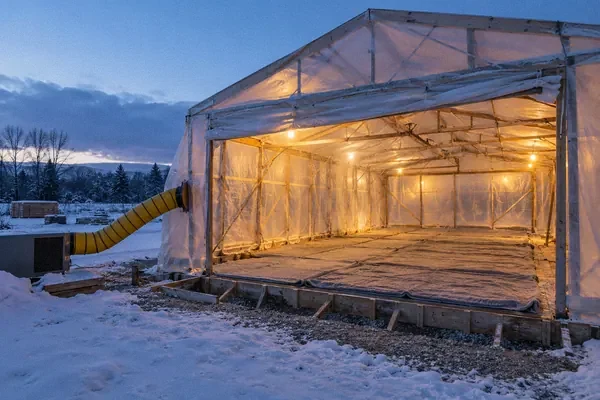
| Weather protection | What happens if conditions change? |
| Exposure timing | Who monitors readiness under product guidance? |
| Washing | Is the method suited to the approved result? |
| Runoff handling | How will the work area and adjacent surfaces be protected? |
| Final treatment | What curing and protection system follows? |
The sequence can require attention outside the hours of the initial pour. Confirm staffing and access for that period instead of treating washing as an optional return visit.
Do not use force to compensate for timing
If the intended surface does not release as expected, stop and evaluate the product, coverage, timing, and concrete conditions. Simply increasing pressure can create a different result from the approved finish.
Likewise, exposing too aggressively while the underlying material is insufficiently developed can disturb the desired profile. Follow the named product's instructions and installer expertise.
This article does not prescribe one wash interval or pressure. Those are product- and condition-dependent details that should be established through current instructions and the representative trial.
Include maintenance in the selection
Ask for the names of the products left on the finished surface and the manufacturer's care instructions. Discuss how the texture will be cleaned and how future maintenance should be performed.
Avoid promises that one aggregate finish requires no upkeep or will remain visually identical indefinitely. Set expectations from the actual system and exposure.
Retain the sample reference, aggregate information, and application records. Future work is easier when the system can be identified rather than guessed from a weathered surface.
Include difficult details in the sample
Plan a sample that includes the least convenient detail, not only an easy flat square. A corner, step return, or border transition can reveal whether the intended exposure remains visually coherent where methods change. Label the sample with the mixture, treatment, and date, and photograph the approved finished condition. Those records make the appearance target understandable to anyone joining the crew later.
Frequently asked questions
Can a top-surface retarder be used inside vertical forms?
Only if the documented product system supports that use. Obtain the proper detail and test it.
Can harder washing create the exposure I want?
Not as a reliable correction. Select the appropriate system and timing, then follow the approved process instead of forcing a different result.
Research references
- primary · search-excerpt
Sika LITHOCAST Surface Retarder - primary · search-excerpt
Sika Patterns and Textures - reddit · search-excerpt
Exposed aggregate on vertical face