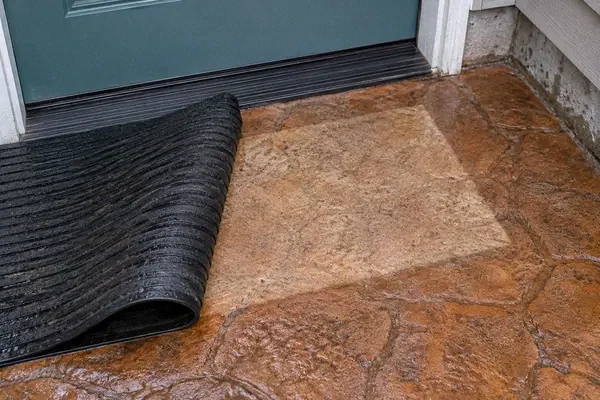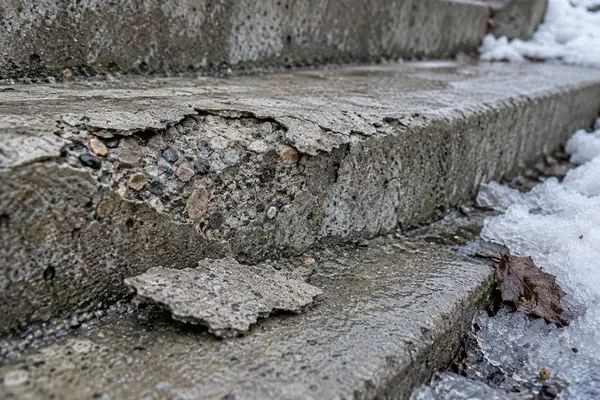
- Compare color and texture separately
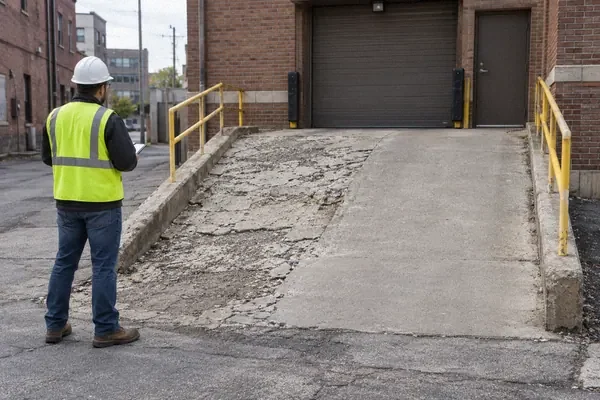
- Choose the desired transition
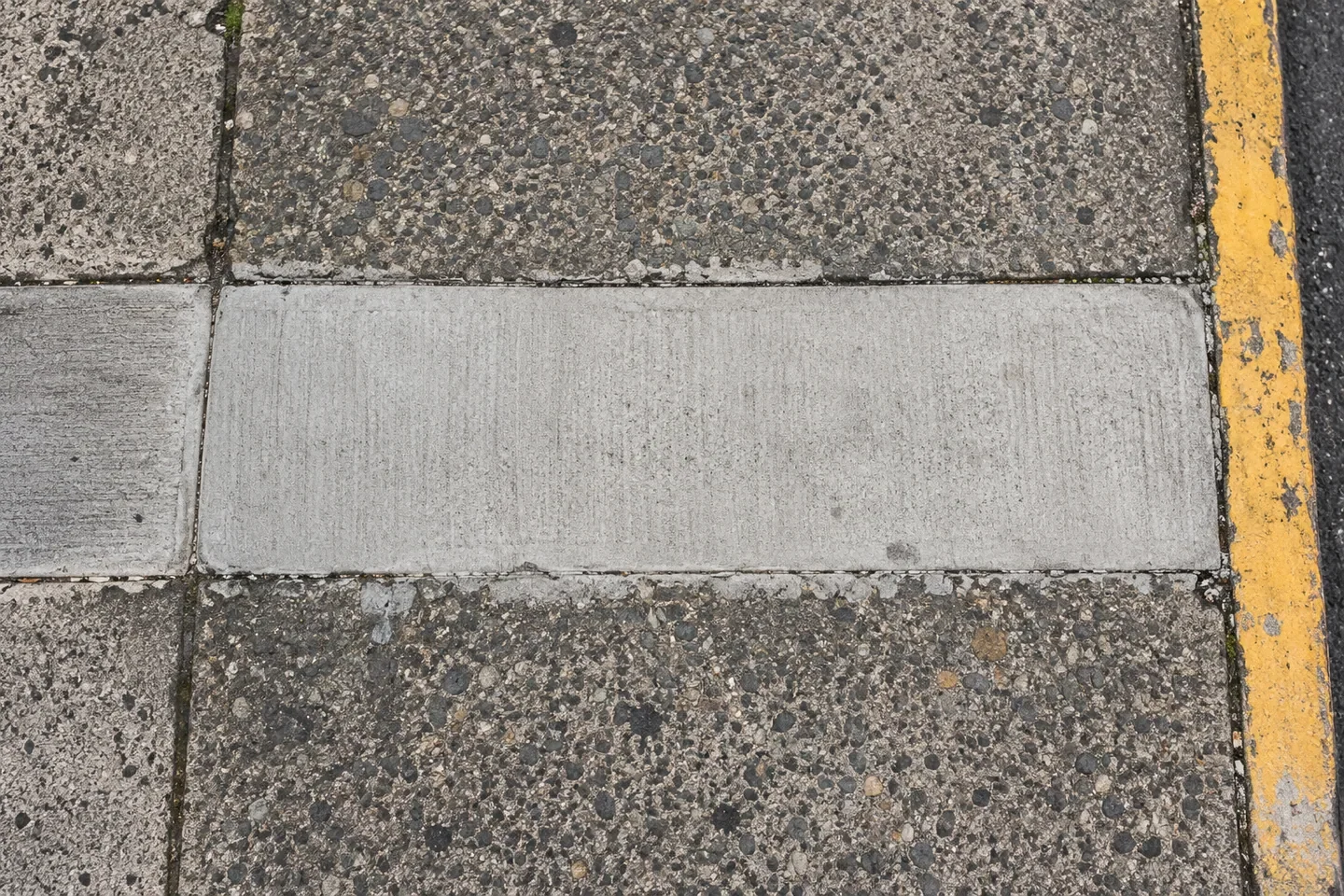
- Approve a representative sample
Reddit discussions identify questions; technical guidance comes from the linked primary sources. This article is not a site inspection or an engineered specification. How we research.
Decide what a match means to you
Two adjacent pours can both be gray yet look noticeably different. One may be rougher, cleaner, darker when wet or more reflective. Before choosing a remedy, identify which difference is objectionable. A color treatment may help hue while leaving texture unchanged. A resurfacing system changes more of the appearance but also introduces a new surface and maintenance requirements.
A Reddit homeowner asked how to make an older pool surround and new concrete more uniform. That is a useful example of the real decision: not simply which gray product to buy, but what level of uniformity is possible and worth pursuing. The thread's product suggestions are not evidence that those products fit another pool deck.
Compare the surfaces under the same conditions
Photograph both areas when dry, in similar light, and from the normal viewing locations. Also note how they look after ordinary wetting if that is important to the space. Do not judge the new pour while it is damp against an older, fully dry area and assume the contrast is final.
List known differences in finish, placement date and previous treatment. Has the old area been sealed, stained, repaired or pressure cleaned? Is the new surface broomed in a different direction? These facts help separate a color issue from a texture or coating issue.
NRMCA CIP 23 explains that concrete discoloration can have multiple contributors. The source does not provide a universal recipe for matching an existing slab. A contractor should evaluate the actual surfaces and explain which differences the proposed treatment can change.
Four different appearance strategies
One option is to retain the transition and make it intentional through the overall layout. That may be acceptable where the new area is clearly an addition. It avoids creating a maintenance obligation solely to hide a boundary, but it does not satisfy every design goal.
A second option is cleaning or removing incompatible old treatment where appropriate. This can clarify the true condition of the older slab, but it should not be sold as a guaranteed match. A cleaning test may reveal that the old surface remains different even after residue is removed.
A third option is a suitable stain or pigmented treatment across both areas. This requires compatibility review and samples on both substrates. The resulting color may still vary with texture and absorption. Ask the installer to show the likely range, not only the best-looking small patch.
A fourth option is a bonded resurfacing system where the substrate is suitable. ARDEX CD technical data provides one manufacturer's requirements and limitations. Such a system is not a way to ignore movement, unsound concrete or existing joints.
Compare the tradeoffs before choosing
| Strategy | Main question to resolve |
|---|---|
| Keep the transition | Is a visible boundary acceptable in the finished layout? |
| Clean or strip appropriately | Does the older surface improve enough without further treatment? |
| Apply a compatible color system | How do both substrates look after the sample cures? |
| Resurface suitable concrete | Are preparation, joints and future maintenance acceptable? |
The table is not a ranking. The appropriate choice depends on the desired appearance, condition and use. A whole-surface treatment may be excessive for a minor mismatch, while a small local patch may be inadequate for an owner seeking a deliberately uniform finish.
Sample both sides of the boundary
A sample on only the new slab cannot predict the old slab's response. Ask for representative test areas on both, using the intended preparation and full system. If the work includes a primer, color layer and protective finish, evaluate the completed combination rather than one intermediate coat.
Record the products, color, application method and cure period. View the samples from normal standing distance and under the lighting that matters in the space. For a pool surround or walkway, discuss the required surface characteristics for its intended use with the system provider; appearance is not the only selection criterion.
Ask how repairs and joints will look. A broad color treatment can make some boundaries less conspicuous while leaving others visible. Those details should be part of the approved sample or a clear written description.
Existing damage can change the choice
If the older slab is cracked, moving or shedding material, address that condition before treating the match as a purely decorative problem. A finish applied over an unsuitable substrate may not deliver the intended result. The preparation proposal should identify repairs and areas that are excluded or require further evaluation.
Likewise, a new addition that drains poorly needs a drainage review. A matching color does not correct an unwanted slope. Keep performance concerns separate in the scope so they are not hidden by a successful cosmetic transformation.
Ask what maintenance will be needed and how future touch-ups will look. A treatment that creates a uniform appearance now may require coordinated recoating later. Decide whether that obligation is acceptable before approving the initial work.
A hypothetical patio extension
Imagine a hypothetical patio extension beside an older, weathered slab. The owner first asks for a spot stain on the new area. Samples show that the new section becomes darker, but its texture still reads differently. A second sample across both sections offers a more coherent appearance, although the placement boundary remains visible.
The owner can now choose between accepting that result, pursuing a suitable resurfacing option or retaining the original contrast. The sample has converted an abstract promise to match into a concrete decision about the actual space.
Approve an achievable result
Use the approved samples and a written description of remaining variation as the basis for the work. Avoid an undefined promise of perfect matching. The best result is a treatment that suits both substrates, addresses the desired visual change and comes with maintenance expectations you understand. Sometimes that means blending the areas; sometimes it means accepting a clear transition rather than paying for an uncertain imitation.
Related questions
Will new concrete eventually match the old slab?
It may change in appearance, but an exact future match should not be promised. Materials, finish and exposure can leave a lasting difference.
Can a stain hide every difference between pours?
A stain may change color without eliminating texture or substrate variation. Test it on both the old and new areas before approving the full treatment.
Research references
- primary · full
NRMCA CIP 23 - Discoloration - primary · search-excerpt
ARDEX CD Technical Data - reddit · search-excerpt
Anything I can do about the discoloration in the concrete around pool? Concrete poured around 2016. We are 3rd owners.