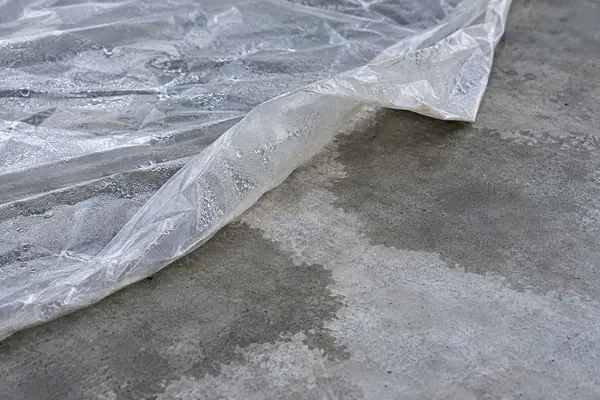
- Identify the curing product
- Read the coating preparation rules
- Verify the prepared substrate
Reddit discussions identify questions; technical guidance comes from the linked primary sources. This article is not a site inspection or an engineered specification. How we research.
The future finish should be part of the early conversation
A garage may be poured months before an epoxy coating is installed. A patio may later receive a bonded resurfacer. Between those stages, product names and care instructions can be lost. When the coating contractor arrives, everyone knows the slab is concrete, but no one knows what was applied during curing.
A Reddit discussion about garage repairs before epoxy shows the confusion that arises when different contractors see different preparation issues. The thread does not establish a curing-compound problem in that garage. It does illustrate why the next finish should be selected through a documented substrate review rather than a quick appearance check.
Curing and coating serve different purposes
A curing treatment helps manage conditions in young concrete. A later coating or dressing must bond and perform under its own system requirements. The two stages can be compatible, but that compatibility should be established rather than assumed. NRMCA CIP 11 specifically discusses curing-material choices where a later bonded covering is planned.
The word cure-and-seal is not enough information. Request the full manufacturer and product name, application date and any available record of the amount or method used. If there were later sealer applications, list those too. Several layers applied over time can make the history more complicated than the original pour record suggests.
If the original product cannot be identified, tell the coating installer plainly. A responsible preparation plan can address uncertainty, but it should not quietly treat unknown as absent. Ask what investigation or preparation is needed to establish an acceptable substrate.
Read the complete system requirements
A finish is often more than one product. There may be a primer, repair material, base coat and topcoat, each with limits and compatibility requirements. Ask which system is proposed and who takes responsibility for confirming that the prepared concrete meets it.
For example, the ARDEX CD technical data requires suitable sound concrete and identifies existing sealers and other bond-breaking contaminants as preparation concerns. That guidance applies to that product. It should not be copied blindly as the full preparation method for a different coating.
The useful takeaway is to connect every preparation step to the chosen system's requirements. A contractor who says grinding is included should also explain the intended result and how it will be checked. The name of a machine alone does not define substrate readiness.
A clean appearance can leave unanswered questions
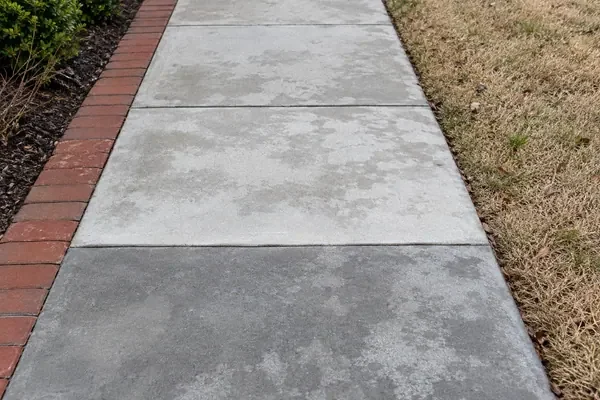
Sweeping removes loose debris; it does not establish that every surface treatment is gone. A uniform-looking floor may still have areas that differ because of earlier repairs, spills or products. Ask the installer to map those areas rather than assuming the same preparation will produce the same result everywhere.
Moisture is a separate issue. Removing a curing compound does not automatically make a slab acceptable for a moisture-sensitive finish. NRMCA CIP 28 addresses slab moisture and floor-covering concerns. The finish system's required testing and limits should be part of the plan, especially when the slab's history is uncertain.
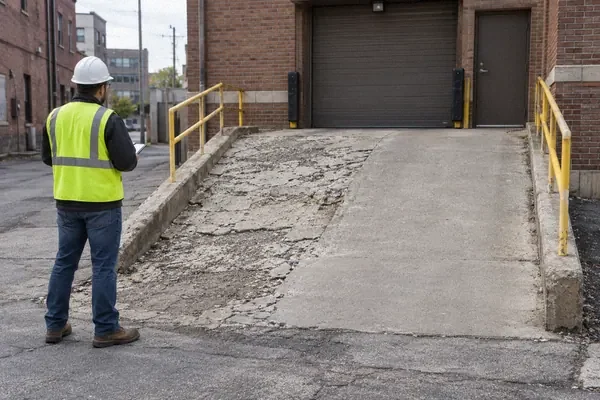
Likewise, a surface can be free of an old treatment yet contain weak or delaminated material. Preparation needs to address that condition before the finish is installed. Do not let a narrow discussion about curing compound obscure other reasons a coating might be unsuitable.
Questions for the preparation proposal
Use the following checklist to turn a vague quotation into a reviewable scope:
- Which existing curing and sealing products are known?
- Which finish system is being installed?
- What does that system require for existing treatments?
- How will unknown or contaminated areas be evaluated?
- What surface condition must preparation achieve?
- Are patching and removal of unsound material included?
- Which moisture checks are required, and who documents them?
- What happens if the prepared surface does not meet the requirements?
The last question is important. A fixed schedule should not force the installer to cover a substrate that still fails the system's criteria. Agree on how additional work will be authorized and documented.
Coordinate trades before the slab is poured
For a future project, tell the concrete contractor about the intended coating or overlay before placement. Ask the finish manufacturer or installer to confirm compatible curing choices through the responsible project team. This is easier than discovering after the pour that the selected products require extra removal work.
Keep the compatibility information with the project documents, not only in one person's email. If the future finish changes, revisit the assumption. A curing product suitable for one planned system is not automatically suitable for every replacement choice.
Avoid sacrificing proper curing merely to simplify future coating preparation. The correct coordination addresses both requirements. The slab still needs appropriate early care, and the later finish still needs a suitable substrate.
A hypothetical garage handoff
Imagine a hypothetical garage scheduled for an epoxy floor after other construction is complete. The concrete installer uses a curing treatment, but its name is not included in the handoff. Months later, the coating contractor assumes bare concrete and prices only a basic preparation pass. The missing record creates a scope dispute when additional work is identified.
A better handoff would include the product data and the planned finish requirements. The coating contractor could then price and verify the necessary preparation before scheduling the installation. That does not guarantee a problem-free floor, but it removes an avoidable uncertainty.
Keep readiness separate from the calendar
Do not approve the next finish simply because the concrete is old enough to walk on or because a certain number of days has passed. Ask for documented substrate readiness under the selected system: treatment compatibility, soundness, preparation and moisture where required. A clear handoff between the concrete and finish contractors is the most useful way to prevent a curing decision from becoming an unexpected coating problem.
Related questions
Does a curing compound always have to be removed?
That depends on the compound and the next system's requirements. Obtain written compatibility or preparation guidance for the exact products rather than assuming.
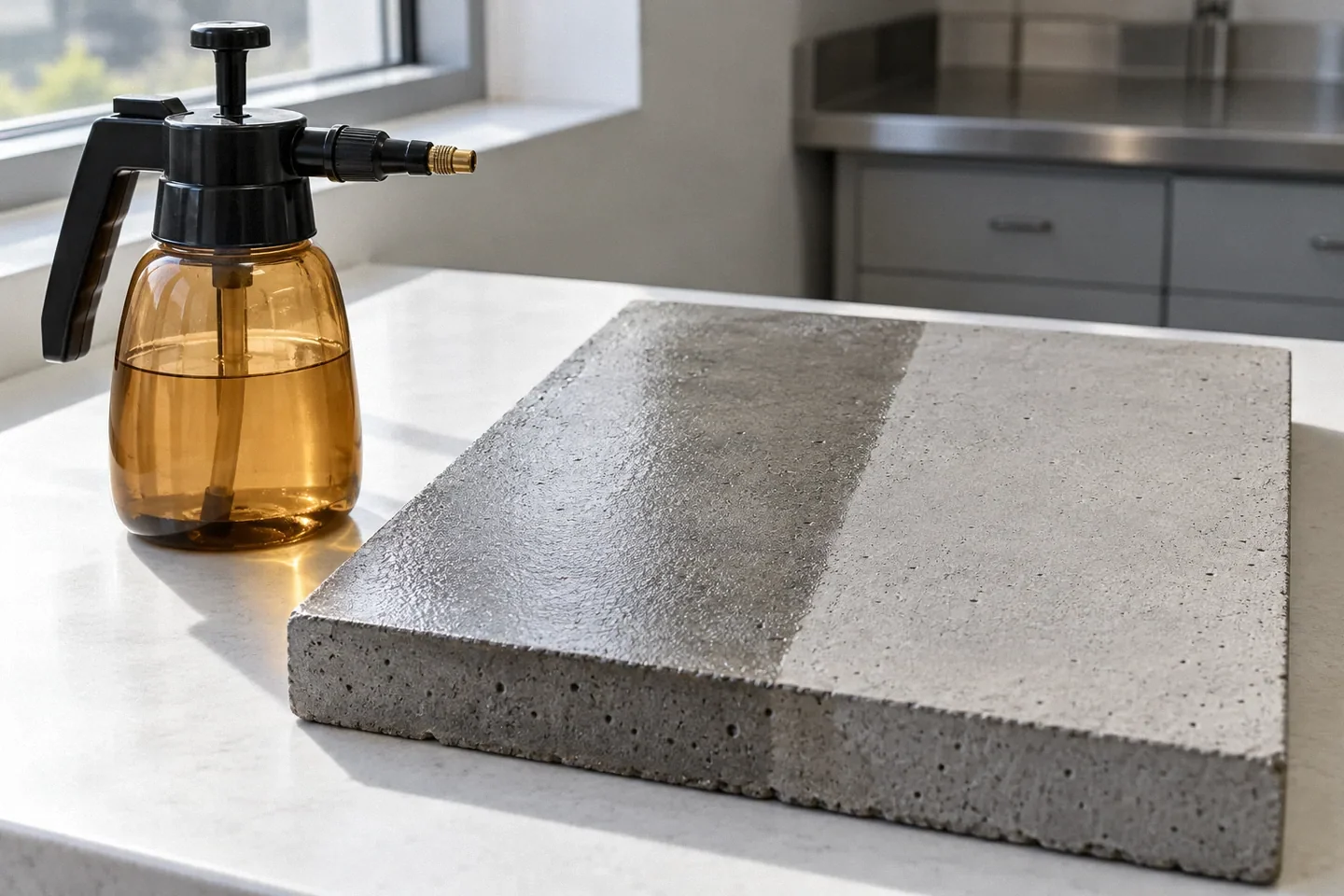
Can I tell compatibility by sprinkling water on the slab?
A simple observation may raise questions, but it does not replace the finish manufacturer's acceptance and preparation requirements. Ask which checks are required for the selected system.
Research references
- primary · full
NRMCA CIP 11 - Curing In-Place Concrete - primary · search-excerpt
ARDEX CD Technical Data - primary · full
NRMCA CIP 28 - Concrete Slab Moisture - reddit · search-excerpt
Concrete Repair and Epoxy Coating