- Identify the joint type
- Check for offset and change
- Separate sealing from support
Reddit discussions identify questions; technical guidance comes from the linked primary sources. This article is not a site inspection or an engineered specification. How we research.
The groove is part of a movement plan
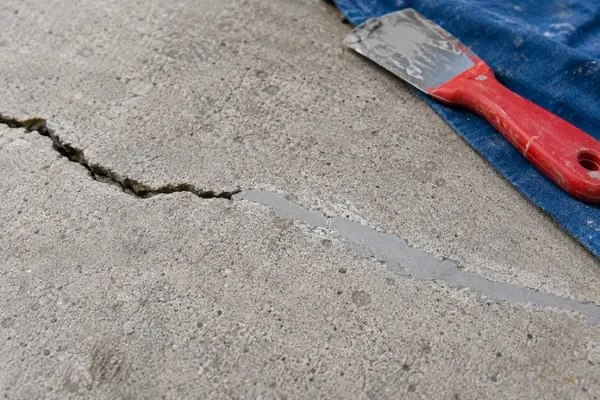
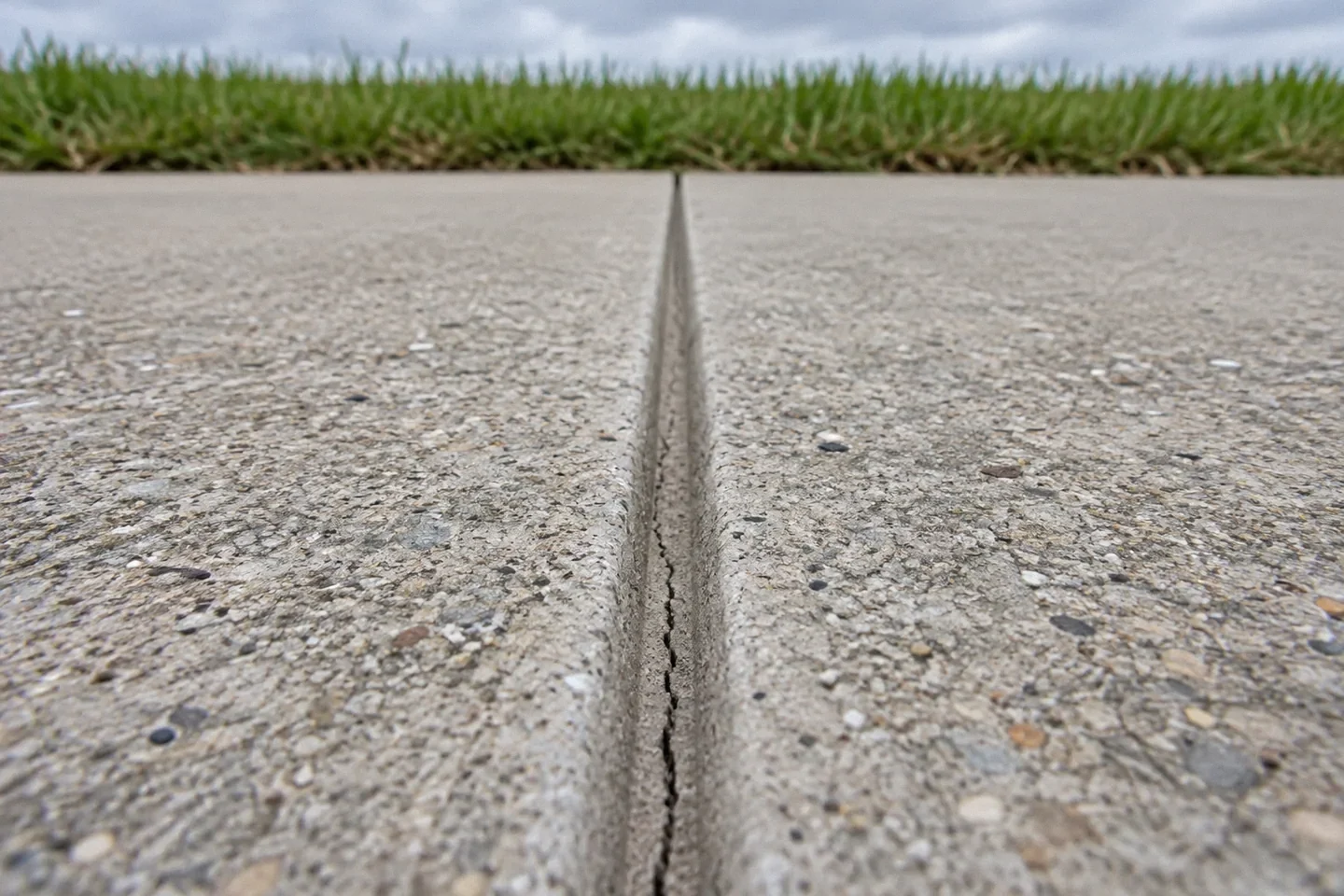
A straight line in a driveway may look like a decorative division, but a contraction, or control, joint has a purpose. NRMCA describes joints as planned locations for movement-related cracking in CIP 6, Joints in Concrete Slabs on Grade. Finding a crack within that groove is therefore not the same observation as finding an unexpected line across the middle of a panel.
That explanation can be reassuring, but it should not end the inspection. A homeowner may be concerned about more than the location of a line. There may be a height difference, widening, broken edges or water entering a gap. Saying the crack is where it belongs does not answer those additional facts.
A Reddit thread about an opened driveway control joint illustrates this mismatch. The owner described an offset, while several replies focused only on the joint having cracked. The useful lesson is to state the entire concern clearly before asking for a repair recommendation.
First confirm which joint you are looking at
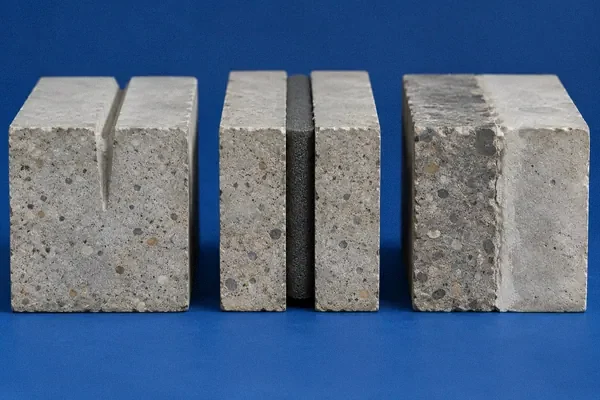
Homeowners often call every gap an expansion joint. The line may instead be a saw-cut contraction joint, a boundary between separate placements or an isolation joint next to a building. These types do not serve identical functions. If the distinction is unclear, ask the installer to identify it from plans, construction records or an on-site review.
Photograph the full joint, including where it meets other lines and boundaries. A close photograph can obscure whether it is part of a regular panel layout or a separation from the house. Also record whether there is an existing filler or sealant. What looks like a new crack may be a split in an old surface material rather than the full condition beneath it.
Do not remove the existing material simply to get a clearer photograph. If investigation requires removal, agree on how it will be done and how the joint will be left afterward. That keeps a small inspection from becoming an unplanned repair project.
Read the surrounding panels, not only the opening
Walk the adjacent surface and describe how it is used. Does a wheel catch at the joint? Is water collecting on one side? Are edges chipping where vehicles pass? Can you see a change compared with dated photographs? These observations help distinguish a simple appearance question from a serviceability concern.
Avoid deciding whether one panel rose or the other sank based on the offset alone. That requires a reliable reference and often more site information. Record the difference without assigning a cause. Likewise, soil visible in a gap does not by itself prove that extensive erosion has occurred beneath the entire slab.
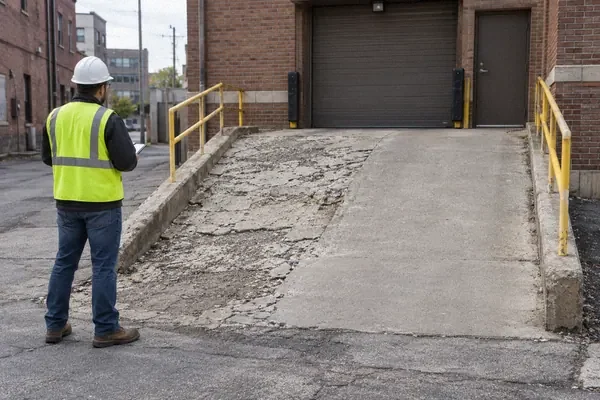
The appropriate evaluation depends on the slab's function and the observed changes. A joint in an ordinary walkway and a joint in a heavily loaded or structural slab should not be treated as interchangeable repair examples. Make sure the person proposing the work knows the use of the area.
Decide whether the objective is sealing, edge repair or movement review
Sealing may be considered to address water and debris entry when compatible with the joint design and selected material. Edge repair addresses damaged concrete beside the opening. Evaluation of support or movement addresses a different issue. A single job may involve more than one objective, but the scope should say so.
For a specific sealant, read the current product requirements with the installer. Sika's self-leveling sealant guidance includes preparation and bond-control details. A product name alone is not an installation plan. Joint geometry, orientation and the condition of its faces matter.
Do not fill a moving joint with an arbitrary rigid material because it appears stronger. Ask why the proposed material suits the expected movement and traffic. Conversely, a flexible sealant is not a substitute for repairing unsound edges or resolving a displacement problem.
A focused assessment checklist
Before approving work, obtain answers to these questions:
| Question | Why the answer matters |
|---|---|
| What type of joint is it? | Establishes its intended function. |
| Has the opening changed? | Identifies whether movement needs further review. |
| Is there a height difference? | Separates a surface line from a use or drainage issue. |
| Are the concrete faces sound? | Determines whether a material can bond as intended. |
| Where does water go? | Tests whether sealing alone answers the concern. |
| What will remain visible? | Sets an appearance expectation before work. |
Ask the contractor to identify uncertainties. A clear statement that more information is needed is more useful than an immediate product recommendation that ignores part of the problem.
A hypothetical two-joint comparison
Imagine two hypothetical driveway joints. The first contains a visible crack, but the panels remain even and there is no reported change in use. The owner wants to know whether the line is expected. Identifying the joint and explaining its purpose may resolve much of that concern, with any maintenance decision considered separately.
The second joint has a similar line but one edge now catches a bicycle wheel and water sits beside it. The joint's intended cracking function does not explain away those effects. The contractor needs to evaluate the displacement and drainage before presenting a complete repair scope. Treating both joints identically because the cracks are straight would miss the relevant difference.
Ask for a complete answer
When contacting the installer, describe the joint location, the crack and any associated changes in one message. Include context photographs and the date you first noticed the condition. Ask what the joint is intended to do and whether the current panel behavior requires more than sealing. The aim is a specific maintenance or repair decision based on the whole condition, not a blanket verdict that every joint crack is either normal or defective.
Related questions
Does a crack inside the groove mean the joint failed?
Not by itself. A contraction joint is intended to influence crack location, but the condition of the panels and joint edges still matters.
Will caulking the joint stop a slab from sinking?
Caulking does not establish or restore support beneath a slab. A sinking panel requires investigation of the movement and its underlying conditions.
Research references
- primary · full
NRMCA CIP 6 - Joints in Concrete Slabs on Grade - primary · search-excerpt
Sikaflex Self Leveling Sealant - reddit · search-excerpt
Crack opened in concrete driveway: best sealant [Colorado]