- Assess the existing slab
- Define what must change
- Compare complete repair scopes
Reddit discussions identify questions; technical guidance comes from the linked primary sources. This article is not a site inspection or an engineered specification. How we research.
The question starts below the new surface
A damaged patio can look like an obvious resurfacing candidate because the owner mainly sees pits, stains and cracks. Yet the feasibility of a new surface depends on the concrete and conditions beneath it. The first question is not which finish looks best in a brochure. It is what the existing slab can reliably support and what problem the project must solve.
A Reddit homeowner facing a large driveway replacement quote asked whether sealing or resurfacing would be enough. That concern is useful: owners want to avoid unnecessary demolition. The forum cannot establish whether the actual substrate is suitable for a bonded system or whether replacement is justified.
Divide the problems into three groups
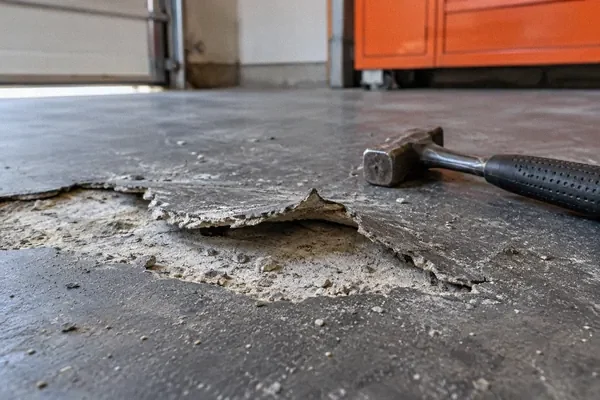
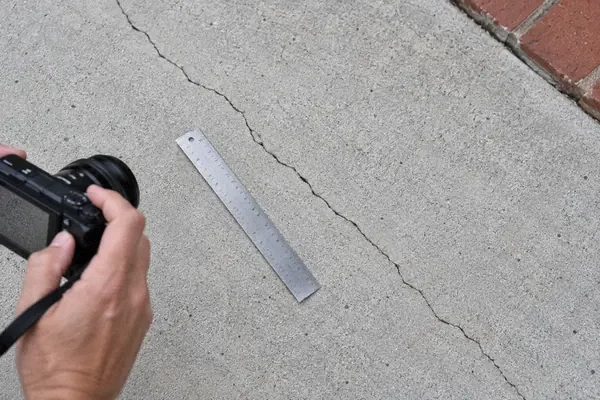
First identify appearance concerns: color, staining, texture or a visible but assessed stable repair. Next identify surface-material concerns, such as loose or weak concrete. Finally identify movement, support and elevation concerns, including sinking panels or water flowing toward a building. A project may contain all three groups.
A surface treatment might address the first group and some conditions in the second after proper preparation. It should not be assumed to solve the third. The FHWA pavement preservation guide distinguishes repair approaches according to pavement condition and emphasizes investigation of support problems. Its highway context is not a residential design, but the separation of surface work from support work is relevant to the decision.
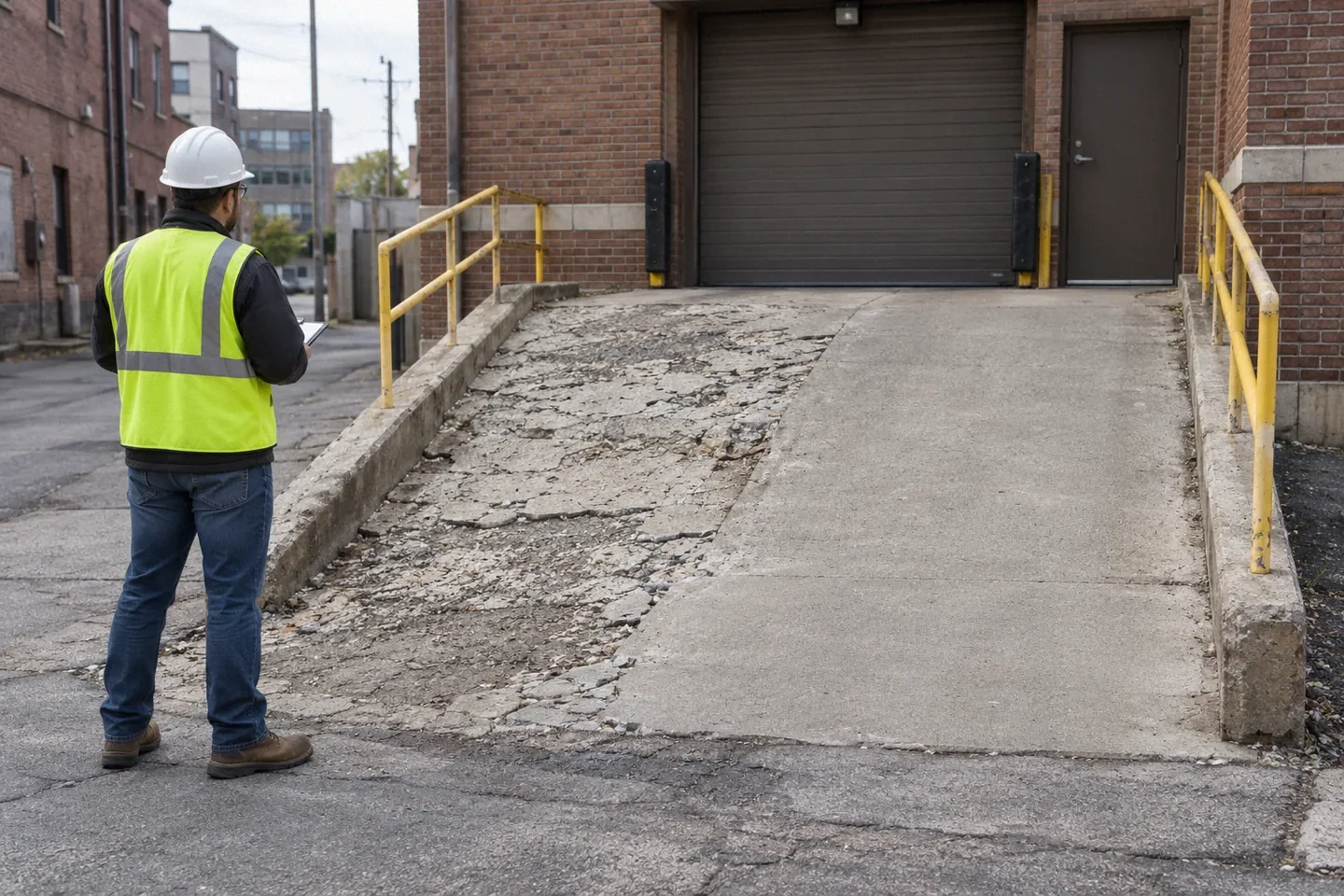
Ask the evaluator to list each observed problem and the part of the proposal intended to address it. This simple exercise often reveals when two bids are not actually offering the same result.
What makes a substrate suitable for resurfacing?
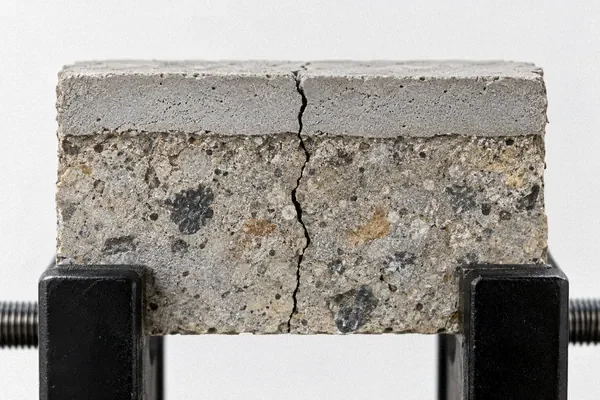
The selected system determines the required substrate condition. ARDEX CD technical data, for example, requires appropriate sound, prepared concrete and describes limitations involving existing cracks and joints. Other systems may differ. Do not transfer one product's thickness or preparation rules to another.
Ask how soundness will be assessed and how weak material will be removed. A slab may look mostly intact but contain areas needing more preparation than a brief visual inspection reveals. The quotation should describe how those discoveries are handled and whether the owner approves additional work before it proceeds.
Existing coatings, contamination and moisture conditions also need review. A clean appearance does not prove compatibility with a bonded dressing. Obtain the full proposed system, including any primers, repair materials and protective finishes, rather than a generic promise to skim the concrete.
Movement and drainage can change the economics
If a panel is settling, the owner needs to understand the cause and whether the proposed repair addresses it. Paying for a decorative surface before resolving that issue may leave the new finish following the old movement. Similarly, a uniformly colored patio that still directs water toward a door has not solved the drainage complaint.
Ask whether the required elevation changes are feasible within the proposed system's limits and adjacent thresholds. A thin dressing should not be assumed to create any desired slope. The contractor must explain the actual geometry and product suitability.
Replacement may provide an opportunity to address support and layout, but the word replace does not guarantee those issues will be corrected. The replacement scope should explicitly include the relevant investigation, preparation, drainage and joint design. Otherwise the owner risks buying new concrete over an unresolved condition.
Compare complete scopes, not square-foot labels
| Scope item | Resurfacing proposal | Replacement proposal |
|---|---|---|
| Existing condition | How is suitability established? | Why is removal justified? |
| Preparation | What weak or coated material is removed? | What happens to the exposed support? |
| Movement | How are cracks and joints handled? | How is the new layout designed? |
| Drainage | Which elevations can actually change? | Where will runoff go afterward? |
| Appearance | What existing features remain visible? | How will new work meet adjacent surfaces? |
| Uncertainty | How are hidden conditions priced? | How are excavation discoveries handled? |
The comparison should include access, disposal, protection of adjacent work and return to use where relevant. These practical details can materially affect the decision without implying that one method is always superior.
Establish an appearance standard
Request a representative sample for a resurfacing system, especially when color and texture are the main reason for the work. Ask how patches, joints and old cracks will appear. A photograph from another property does not reveal how your substrate will respond or what boundaries will remain.
For replacement, discuss color transitions with retained concrete. New concrete may not match older adjoining areas. If the owner expects an uninterrupted appearance, the scope must define where work begins and ends and what variation remains acceptable.
Avoid evaluating only the first day. Ask when the sample or completed finish should be judged and what care is required before then. Document the agreed result and maintenance instructions.
A hypothetical patio comparison
Imagine a hypothetical patio with shallow surface wear but no documented movement or drainage complaint. An assessment establishes that a selected restoration system can be installed after defined preparation. Resurfacing may be a sensible option, subject to appearance and maintenance expectations.
Now imagine a similar-looking patio with a panel that has dropped and a puddle against the house. A resurfacing-only quote is not equivalent because it does not address the key problems. The appropriate scope may involve support or elevation work, partial replacement or another evaluated approach before a finish is chosen. The same visible wear does not make the two projects the same.
Make uncertainty explicit before choosing
Ask each contractor to identify assumptions and conditions that could change the recommendation. A useful proposal explains why its method fits this slab and what findings would make it unsuitable. Do not demand a predetermined answer of resurface or replace before the assessment. Choose the scope that addresses the documented condition, gives an achievable appearance and leaves no important movement or drainage question hidden beneath the new surface.
Related questions
Is resurfacing always cheaper than replacement?
The initial price may be lower, but preparation and unresolved conditions can change the comparison. Compare complete scopes and maintenance expectations rather than headline prices.
Can an overlay fix a sinking slab?
A cosmetic surface layer should not be assumed to restore support or correct active settlement. Investigate and address the movement before selecting the finish.
Research references
- primary · search-excerpt
FHWA Concrete Pavement Preservation Guide, Second Edition - primary · search-excerpt
ARDEX CD Technical Data - reddit · search-excerpt
Concrete driveway spalling