- Confirm the promised date
- Request a revised work plan
- Review the escalation route
Reddit discussions identify questions; technical guidance comes from the linked primary sources. This article is not a site inspection or an engineered specification. How we research.
Find the scheduling commitment
Read the accepted proposal, contract and messages together. Was the date firm, estimated or dependent on a permit, weather window or another event? Did the contractor promise to start excavation, deliver materials or complete placement on that date? Different definitions of “start” can create a dispute before anyone actually disagrees about the facts.
Make a short timeline with the agreement date, deposit payment, promised start, later communications and any site activity. Keep direct statements separate from your interpretation. “Contractor said the crew would arrive Tuesday” is more useful than “contractor has been stringing us along.”
A Reddit homeowner described a patio contractor becoming unreliable after a deposit. The account illustrates the communication problem but does not verify the contractor's circumstances. Your next decision should rest on your own agreement and records.
Ask for a plan that can be evaluated
Send a concise written request for the current start date, remaining prerequisites and expected sequence. Ask who will contact you if the date changes. “Soon” is not a schedule, and a new date without an explanation of an unresolved permit or crew dependency may not be reliable.
Ask whether the proposed date is a commitment or an estimate. You can then decide whether it fits your needs. If you need the driveway usable for an upcoming event, state that constraint instead of assuming the contractor remembers a casual conversation from the estimate visit.
Keep the request proportionate. A single weather-related postponement may need a simple update. Multiple unexplained postponements, inconsistent stories or inability to identify the contracting business justify closer review. None of those observations alone tells you the legal remedy.
Check the prerequisites independently
If the contractor says the permit is holding up the job, ask for the application or permit number and relevant authority. Confirm the status through the official channel. A submitted application, an issued permit and a completed required inspection are different stages.
If material availability is the reason, ask which item is unavailable and whether it changes the selected product or price. Do not approve a substitute solely to preserve the date without understanding how it affects the finished work. A scheduling problem should not silently become a scope change.
The FTC's consumer guidance recommends retaining dispute records. A dated schedule request and the response make the history easier to assess than a series of unanswered calls with no written summary.
Organize the delay before escalating
| Record | Question it helps answer |
|---|---|
| Signed scheduling clause | What did the parties actually commit to? |
| Deposit receipt | What money has changed hands and to whom? |
| Permit status | Is an identified approval still pending? |
| Written postponements | How often and why did the date change? |
| Revised work plan | Is there now a credible way to finish? |
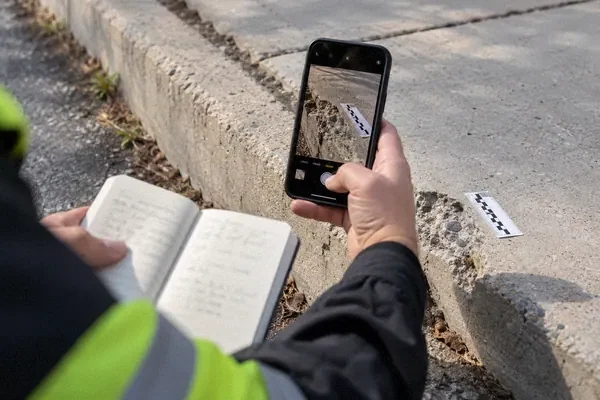
| Site photographs | Has work begun or left the property affected? |
If the contractor calls rather than writes, send a neutral recap afterward. Identify the proposed date and any action you agreed to take. Invite correction if the recap is inaccurate. That creates a usable record without turning every conversation into an accusation.
Hypothetical example: a dependency becomes visible
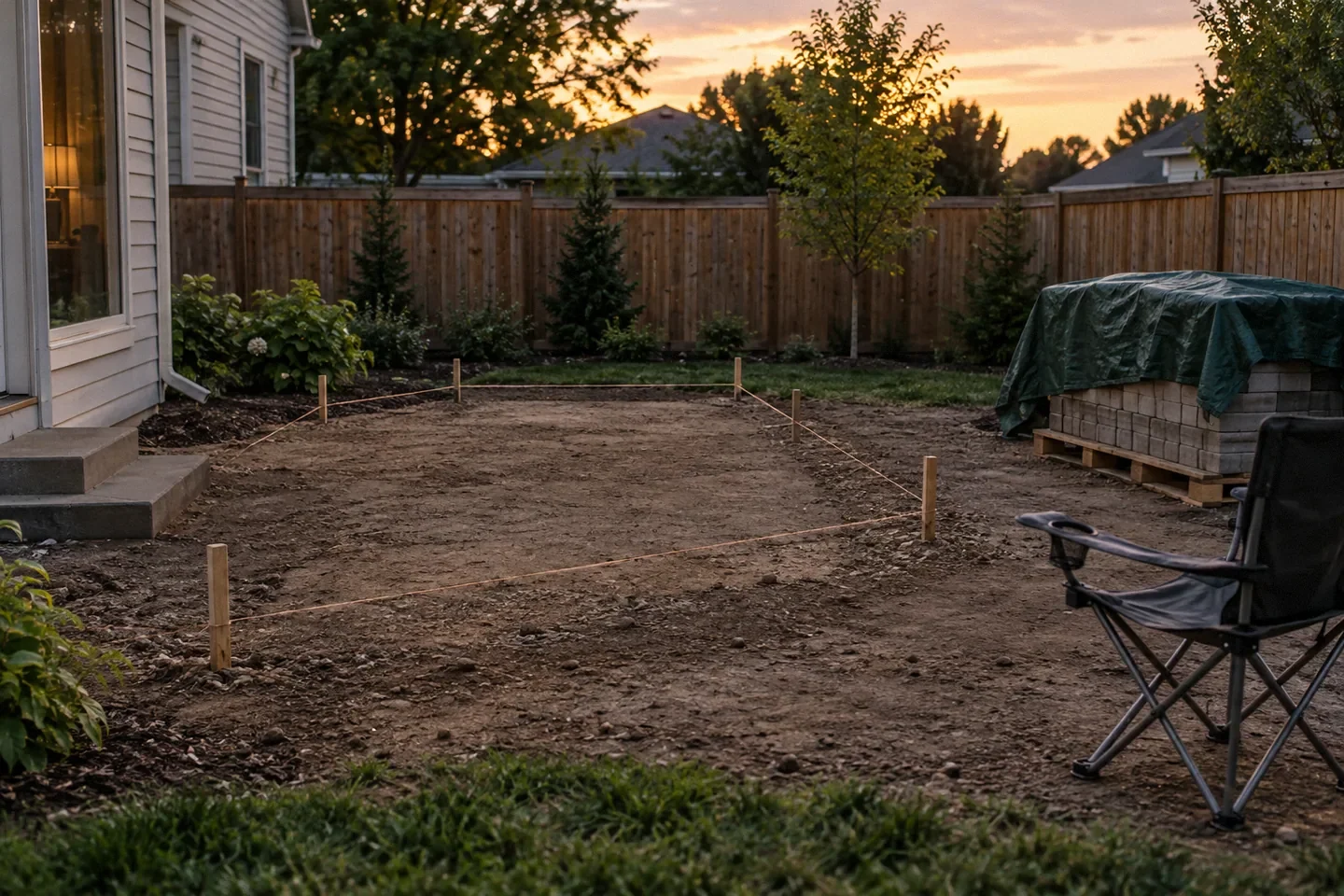
Suppose a homeowner pays a deposit for a patio scheduled to begin in two weeks. On the expected date, no crew arrives. The contractor says the project is waiting for approval, but the owner has never received an application number.
The owner requests the record and learns that a revised site drawing is still needed. They agree who will supply it and obtain a new schedule contingent on review. The owner can now decide whether to continue under that plan rather than repeatedly waiting for a date that cannot be met.
In a different case, the contractor provides no documentation, misses the next written commitment and stops responding. The same timeline becomes useful for an attorney, consumer agency or licensing authority. It does not guarantee a refund, but it gives the reviewer something concrete to evaluate.
Check whether your own outstanding decision is contributing to the delay. An unselected finish or unavailable access can affect readiness. Record when you supplied the requested information so the revised schedule reflects completed prerequisites rather than assumptions.
Review termination before hiring a replacement
Replacing the contractor may be appropriate, but it can create additional contractual questions. Read notice, cancellation, termination and dispute provisions before assuming you can simply hire someone else and charge the original contractor. If the deposit or consequences are substantial, obtain advice in the project state.
For California, CSLB explains its construction complaint process. Florida has a separate DBPR construction complaint package. A regulatory complaint and a claim to recover money are not interchangeable, and neither should be described as an automatic refund procedure.
If excavation or removal has already occurred, have qualified people assess any immediate protection needed. Do not leave an unsafe access condition unresolved merely to preserve a dispute. Photograph conditions and retain records of reasonable protective work while seeking advice about the larger contract.
How many missed dates prove that a contractor abandoned the job?
There is no universal number. The contract, communications, actual progress and applicable law matter; a factual timeline is more useful than labeling the situation prematurely.
Should I send another deposit to secure a new start date?
First ask why the existing payment and agreement are insufficient and what the new amount represents. Review the revised payment request under your contract and local requirements before increasing your exposure.
Request one clear schedule update with documented prerequisites and a response date. If it does not produce a workable plan, use the organized record to obtain project-specific advice about your next step.
Research references
- primary · full
FTC: How To Avoid a Home Improvement Scam - primary · full
CSLB: Filing a Construction Complaint - primary · full
DBPR: Construction-Related Complaint Package - reddit · search-excerpt
Contractor Advice