- Ask what the covering changed
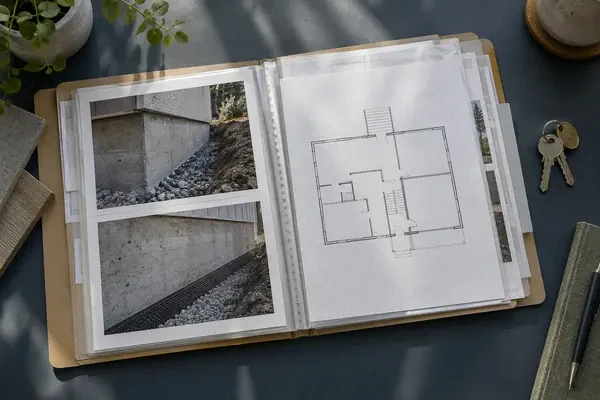
- Obtain records and access
- Assess before drawing conclusions
Reddit discussions identify questions; technical guidance comes from the linked primary sources. This article is not a site inspection or an engineered specification. How we research.
Ask a neutral question about the recent work
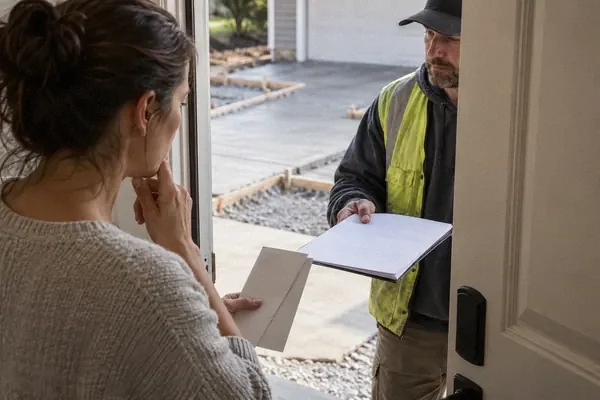
Identify the area and ask what was done, when, by whom and for what reason. Request invoices, scope descriptions, product information and any available before-and-after photographs. A routine cosmetic improvement and a repair following a known problem can look similar after completion.
Keep the answer with the transaction records. If the explanation changes, preserve each version rather than replacing the earlier one. A clear chronology may later help distinguish a misunderstanding from a material inconsistency.
A Reddit buyer alleged that new finishes hid a bowed foundation. The allegation is not independently verified and should not be treated as a finding. It illustrates why buyers should understand which parts of a structure were accessible during inspection.
Identify the inspection limitation
Ask the inspector to state which areas could not be observed and why. Furniture, finishes, stored materials and site access can limit a visual inspection. An inspection report that did not identify a hidden condition is not automatically proof that the condition was absent or that the inspector was negligent.
If a concern requires additional access, arrange it through the transaction and property owner. Do not remove finishes or enter restricted areas without authorization. Have an appropriate professional define what further observation is needed and how any opening would be restored.
California's DRE disclosure guide distinguishes disclosure from inspection and warranty. That is California guidance; it should not be presented as a complete statement of Florida or another state's seller obligations.
Investigate the underlying question
The important issue is not merely whether a surface looks recently improved. Ask whether there is a specific concern about movement, water entry, support or a documented past repair. A qualified professional can help determine which evidence would answer that concern.
Avoid relying on a contractor's replacement quote as if it were automatically an independent diagnosis. Ask what was inspected, what is assumed and whether the recommendation requires further engineering evaluation. A price for a proposed repair and a report establishing a condition serve different purposes.
If structural safety is in question, obtain prompt professional direction about use and access. Do not wait for the transaction dispute to be resolved before addressing an immediate concern through qualified channels.
A buyer's evidence request
| Record or question | What it helps clarify |
|---|---|
| Recent-work scope | Whether the operation was cosmetic, investigative or corrective |
| Prior reports | What conditions were previously identified |
| Permit history | What official approvals or related records are available |
| Repair invoices | Who performed work and what was included |
| Inspection limitations | What remains unobserved |
| Professional assessment | What can be concluded from current evidence |
A missing document is not proof of concealment. Record what was requested, what was supplied and what remains unavailable. The resulting uncertainty may affect your purchasing decision even when it does not establish wrongdoing.
Hypothetical example: a newly finished basement wall
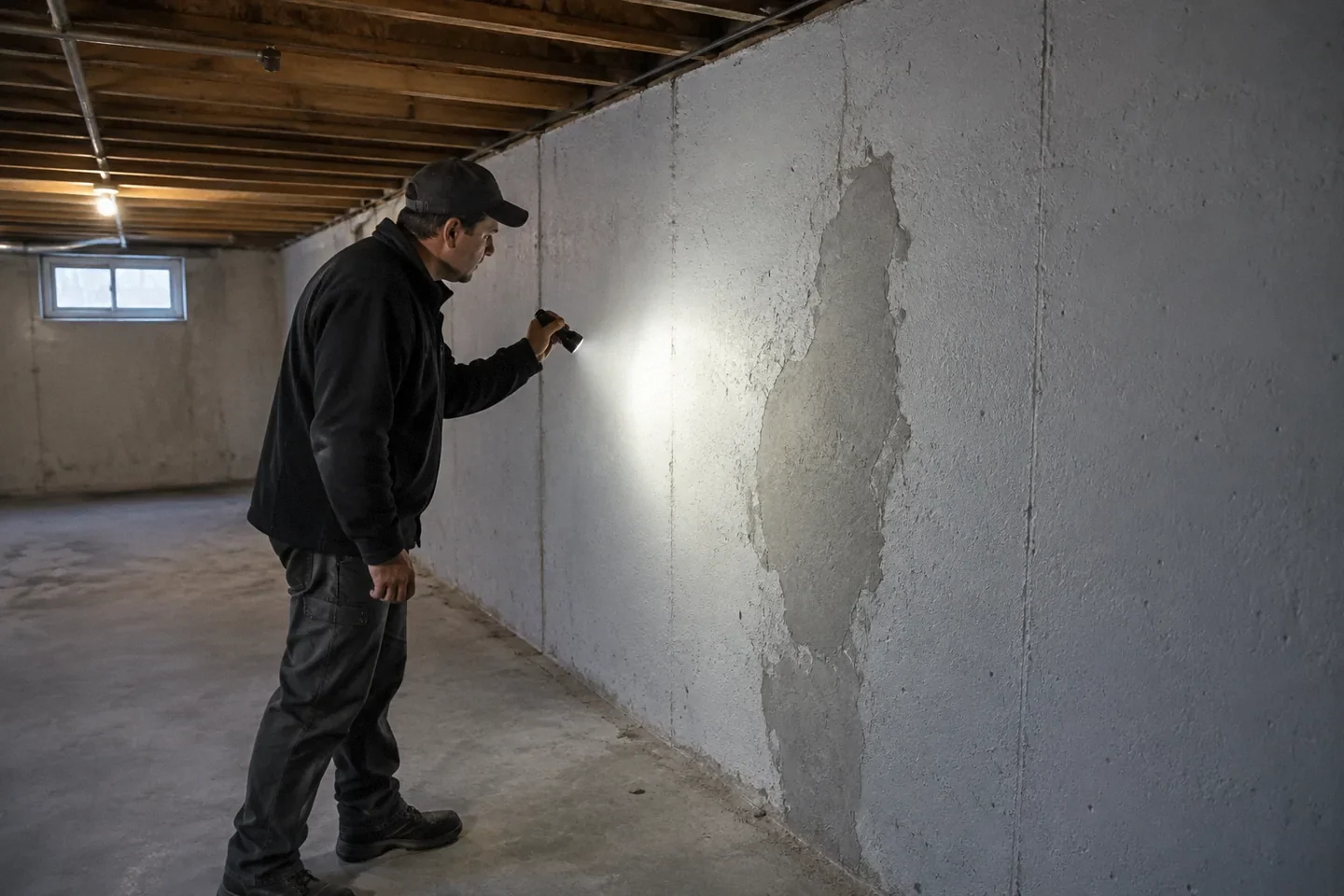
Suppose a buyer sees a recently finished area beside an older concrete foundation. The seller says the finish was added for appearance. The initial inspection notes that the underlying wall was not visible, and the buyer has a separate concern about reported water entry.
The buyer requests the work history and an appropriate assessment through the transaction process. The investigation may explain an ordinary improvement, identify a repair that needs review or leave an uncertainty the buyer must evaluate. The buyer does not begin with a public accusation that the finish proves fraud.
The example also shows why a clean visual result cannot answer every question. The meaningful evidence concerns the underlying condition, the history and the access available to assess it.
Keep state-specific legal questions separate
For California transactions, consult the current DRE materials and a California real-estate adviser about the applicable disclosures and exemptions. The DRE homebuyer information is an official starting point, not a substitute for advice on a disputed transaction.
For Florida, obtain Florida-specific advice before making a nondisclosure claim or assuming a form has the same effect as California's Transfer Disclosure Statement. This article does not establish Florida claim elements or promise a recovery. Contract terms, knowledge, transaction facts and applicable law require proper review.
Do not assume that an “as-is” phrase answers every disclosure question in either direction. Have the actual agreement and records reviewed. A general internet slogan is a poor basis for deciding whether to proceed, renegotiate or pursue a claim.
If the concern appears after closing
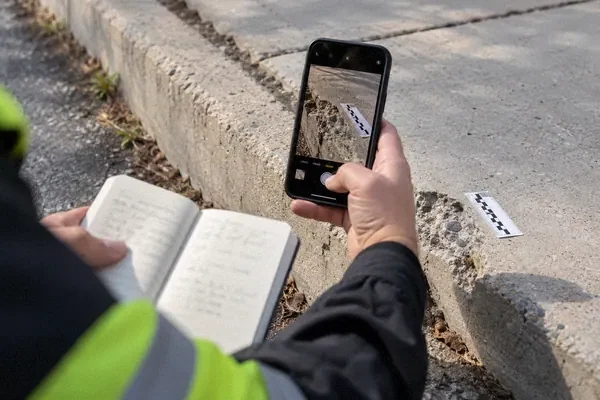
Preserve the original inspection, seller disclosures, listing materials, repair history and communications. Document the newly observed condition with dates and location photographs. Obtain a qualified assessment before attributing the cause or timing to a particular person.
Necessary protection or repair may change the evidence, so coordinate documentation with the professional and legal advisers when practical. Do not leave a hazardous condition unaddressed solely to preserve a claim. Keep records explaining the condition before work and the reason for each intervention.
Avoid teaching yourself destructive investigative methods from online threads. Opening structural work or disturbing concealed systems can create safety and evidence problems. The investigation should have a defined purpose and appropriate authorization.
Does fresh paint over concrete prove the seller knew about a defect?
No. It is an observation that may justify questions, but knowledge and concealment require additional evidence and legal analysis. Preserve the explanation and relevant records without treating appearance as a verdict.
Should I skip a specialist because the general inspection found no issue?
If the report identifies an access limitation or a specific concern remains, ask the inspector and appropriate professional what further assessment is warranted. A limited visual inspection cannot answer every concealed-condition question.
Request the history and clarify access before accepting reassurance or making an accusation. A defensible decision rests on the condition, records and qualified assessment, not simply on whether a surface looks newly covered.
Research references
- primary · full
California DRE: Disclosures in Real Property Transactions - primary · full
California DRE: Information for Homebuyers - reddit · search-excerpt
Realtor did not disclose severely bowed foundation and hid it - reddit · search-excerpt
No foundation, no permits